Evaluating private residential ecosystems, location-independent executive workflows, specialized hospitality infrastructure, and global real estate leasing models reveals a rapidly expanding domain. The high-net-worth remote work landscape has moved far beyond basic co-living setups and standard long-term apartment rentals. Today, enterprise leaders, tech founders, private family office principals, and senior consultants seek standalone residential compounds that seamlessly integrate enterprise-grade technical infrastructure with five-star domestic hospitality.
Analyzing high-end private estates across international microclimates demands looking past lifestyle photography to inspect the physical, digital, and legal infrastructure underneath. A luxury villa positioned along the Balinese coastline, an alpine estate in Switzerland, a cliffside compound in Costa Rica, or a waterfront sanctuary in Miami operates under unique connectivity challenges and regional power grid dynamics. Therefore, remote executives and property managers must audit redundant fiber-optic uplinks, backup power systems, acoustic isolation, and ergonomic workspace layouts. When a property fails to support these operational baselines, executive productivity suffers immediate disruption.
Assessing international villa options requires evaluating bandwidth latency, spatial zoning between work and leisure areas, staff-to-resident ratios, and total cost of stay calculations. When travel directors, location-independent founders, and corporate mobility leads evaluate worldwide inventory, understanding how to select the best luxury villas for digital nomads becomes a critical exercise in operational risk management and lifestyle optimization. Recognizing how estate managers maintain technical resilience, preserve privacy during confidential calls, and structure extended-stay lease agreements is essential for securing seamless, high-yield remote work outcomes.
Understanding best luxury villas for digital nomads
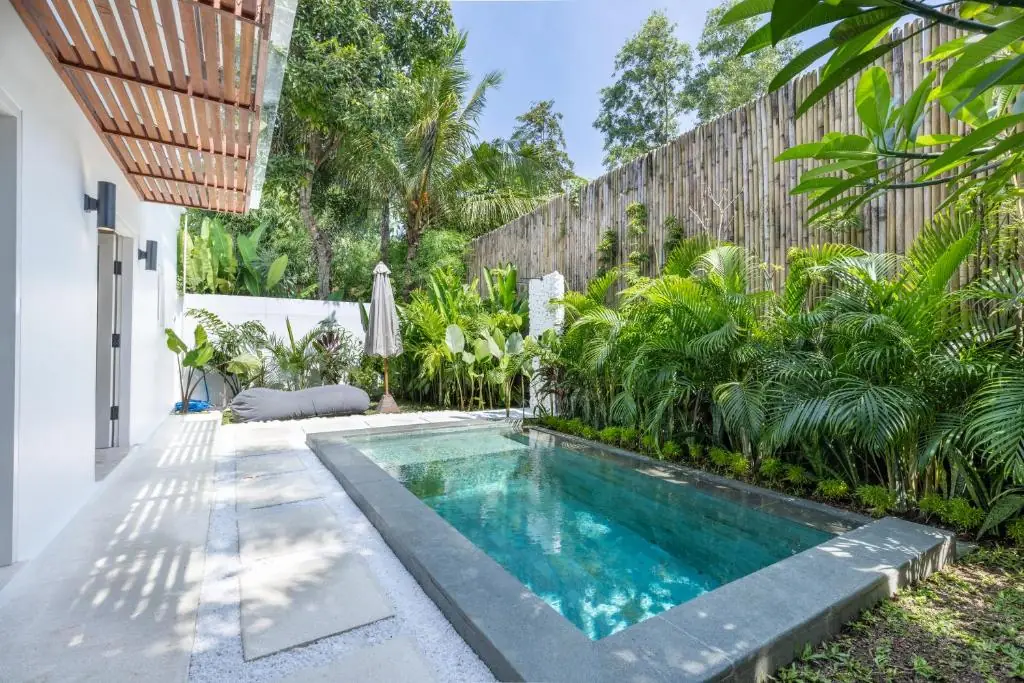
When wealth managers, remote executives, and mobility leads evaluate the best luxury villas for digital nomads, the primary task involves separating marketing claims from physical property realities. A widespread misunderstanding assumes that any luxury residence featuring a high-speed Wi-Fi router and an ocean view automatically qualifies as a functional remote work estate. In reality, many ultra-luxury properties designed purely for leisure lack acoustic isolation between master suites, feature poorly positioned electrical outlets, suffer from unstable satellite internet, and provide inadequate ergonomic seating for ten-hour workdays.
Furthermore, analyzing premier residential work sanctuaries requires distinguishing between superficial aesthetic design and functional operational infrastructure. A cliffside villa featuring floor-to-ceiling glass walls provides minimal executive utility if the work areas lack motorized thermal shades, acoustic soundproofing, or redundant internet connections. Conversely, an enterprise-grade nomadic estate incorporates dual-ISP load-balancing routers, battery backup microgrids, soundproofed private office wings, and dedicated back-of-house staff corridors that operate completely independent of primary executive workspaces.
In addition, evaluating these properties requires understanding how long-term lease agreements, municipal taxation, visa frameworks, and concierge services interact within private estate compounds. Managing an extended stay across international borders demands isolating executive work hours from domestic housekeeping schedules and external vendor traffic. When a property manager executes strict operational zoning—ensuring that garden maintenance, pool servicing, and domestic cleaning occur without disrupting confidential video conferences—it creates a seamless environment where principals can run global enterprises without operational friction.
Deep Contextual Background
The evolution of remote executive real estate reflects a multi-decade shift from traditional corporate offices and hotel business centers to technology-enabled, standalone private residential compounds. In the early 2000s, remote work was largely confined to specialized technical fields and freelancers operating out of basic short-term rentals or co-living spaces. These early properties offered minimal professional infrastructure, relying on basic consumer-grade Wi-Fi, shared dining tables, and minimal privacy.
However, the rapid expansion of cloud computing, high-bandwidth communication tools, and global executive mobility over the past decade transformed the remote work landscape. High-earning founders, venture capitalists, and corporate executives began seeking long-term residential leases in resort destinations without sacrificing the technological performance of a corporate headquarters. Real estate developers and luxury villa operators responded by constructing purpose-built compounds featuring enterprise networking racks, dedicated video conferencing suites, integrated smart-home environmental controls, and private wellness pavilions.
In the contemporary landscape, the international market for high-end nomadic estates has matured into an institutionalized residential segment. Modern villa portfolios combine sustainable architecture, solar microgrids, medical-grade air and water purification systems, and professional domestic teams managed by boutique hospitality brands. By merging residential luxury with enterprise-grade technical infrastructure, premier global compounds allow location-independent executives to maintain operational performance while living in scenic resort enclaves worldwide.
Conceptual Frameworks and Mental Models
Navigating the evaluation and selection of elite remote-work residential compounds requires structured analytical models that balance technical resilience, spatial zoning, and operational governance.
The Executive Nomadic Infrastructure Model
This framework evaluates a property’s operational readiness by assessing physical, digital, and environmental controls across three critical infrastructure pillars:
-
Digital and Network Resilience Layer: Dual-ISP fiber uplinks, automatic failover cellular backup, enterprise mesh access points, and uninterruptible power supply (UPS) units for core routing hardware.
-
Acoustic and Ergonomic Privacy Layer: Sound-rated wall assemblies (STC 50+), motorized glare-reducing thermal shades, ergonomic task seating, and acoustic ceiling treatment in dedicated office suites.
-
Domestic and Environmental Service Layer: Battery energy storage systems (BESS), backup diesel power generation, medical-grade HVAC air filtration, and zoned housekeeping schedules.
The Spatial Work-Rest Isolation Matrix
This model evaluates how effectively an estate separates professional operations from living spaces by measuring distance, acoustic attenuation, and visual privacy between executive desk setups and primary leisure zones.
Key Categories or Variations
When analyzing elite nomadic residential compounds across global microclimates, properties fall into distinct geographical, architectural, and operational categories. Industry analysts classify these flagship assets into six primary variations.
Tropical Coastal Tech Compounds
Sprawling open-air architectural compounds in Bali, Costa Rica, or Phuket retrofitted with enclosed glass office pods, dual fiber-optic lines, and solar battery storage.
-
Trade-Offs: Delivers striking tropical nature and outdoor living integration. However, it requires intensive humidity control, pest mitigation, and salt-air electronics protection.
European Alpine Chalet Work Sanctuaries
High-altitude timber and stone chalets in Switzerland, Austria, or the French Alps featuring heated office suites, high-speed fiber connectivity, and extensive indoor wellness facilities.
-
Trade-Offs: Provides direct alpine sports access and crisp mountain environments. Nevertheless, it involves managing sub-zero climate logistics, high energy costs, and seasonal snowfall disruptions.
Mediterranean Coastal Cliffside Estates
Modernist glass and concrete compounds perched along the Amalfi Coast, Ibiza, or the French Riviera featuring soundproofed study suites and panoramic sea views.
-
Trade-Offs: Offers rich regional culture, mild Mediterranean climates, and direct coastal access. On the downside, it faces strict seasonal lease minimums and high peak-season pricing.
Desert Oasis Executive Enclaves
Horizontal rammed-earth and glass compounds in Scottsdale, Palm Springs, or Dubai engineered for extreme solar mass efficiency and high-bandwidth remote operations.
-
Trade-Offs: Delivers year-round sunshine, striking desert landscapes, and quiet surroundings. However, it requires continuous high-capacity cooling and fine dust air filtration.
Island Oceanfront Estate Compounds
Gated tropical compounds in Barbados, Turks and Caicos, or the Florida Keys featuring private docks, generator redundancies, and dedicated work pavilions.
-
Trade-Offs: Provides immediate deep-water access, warm winter climates, and island privacy. Conversely, it involves complex island supply logistics and potential hurricane season disruptions.
Historic Countryside Manor Work Estates
Restored historic manors in the Hudson Valley, Cotswolds, or Tuscany combining classic architecture with upgraded high-speed satellite or fiber internet backbones.
-
Trade-Offs: Offers rich historical heritage, quiet country settings, and expansive grounds. However, it often features thick masonry walls that require extensive interior mesh Wi-Fi wiring.
Nomadic Luxury Villa Category Comparison Matrix
Detailed Real-World Scenarios
Examining real-world scenarios illustrates how technical infrastructure, spatial zoning, and operational staffing directly influence high-stakes remote executive stays.
Coordinating a Tech Leadership Retreat in Costa Rica
A venture-backed startup founder leased a ten-bedroom eco-luxury villa in Santa Teresa, Costa Rica, for a one-month executive retreat.
-
Constraints: 24-hour uninterrupted connectivity for international board calls; daily private chef dining; quiet spaces for simultaneous video calls.
-
Decision Points: When evaluating the best luxury villas for digital nomads in tropical regions, the team verified that the property featured dual fiber-optic uplinks and a automatic generator transfer switch.
-
Failure Modes Identified: Coastal power grids in tropical regions frequently drop during rainstorms, which cuts unbuffered Wi-Fi routers and drops video calls.
-
Second-Order Effects: The dual fiber system paired with automated battery backup kept executive video streams running smoothly through three major grid brownouts.
-
Resolution: The leadership team maintained full productivity and completed a major funding round during the retreat, demonstrating the necessity of power redundancy.
Managing a Winter Remote Work Season in Verbier
A finance principal rented a five-bedroom chalet in Verbier, Switzerland, for a three-month alpine work season.
-
Constraints: European market trading hours compliance; high-speed data transmission; seamless daily skiing access without work disruption.
-
Decision Points: The principal selected a chalet featuring a dedicated, soundproofed lower-ground office suite wired with direct Ethernet connections to the main fiber terminal.
-
Failure Modes Identified: Relying on open-plan living room spaces for financial trading leads to noise distractions from family members and poor ergonomic desk posture.
-
Second-Order Effects: Isolating the office suite allowed the principal to execute early-morning trading sessions in silence before joining family afternoon ski outings.
-
Resolution: The family enjoyed a full ski season while executive output remained high, proving the value of dedicated spatial work zoning.
Planning, Cost, and Resource Dynamics
Optimizing capital deployment across long-term luxury villa rentals requires balancing direct baseline lease rates against technical upgrades, utility overhead, and local staffing retainers.
Direct Versus Indirect Nomadic Estate Expenses
-
Direct Costs: Base monthly lease tariffs, mandatory housekeeping payroll, security deposits, and primary internet service fees.
-
Indirect Costs: Backup generator fuel replenishment, specialized IT support retainers, high-season utility surcharges, and international money transfer fees.
Financial Planning Matrix for Extended Villa Leasing
Tools, Strategies, and Support Systems
Executing seamless remote work stays across global private estates relies on specialized digital verification tools, private IT networks, and accredited agency partnerships.
-
Dual-ISP Load-Balancing Routers: Deploying network hardware that automatically splits traffic between fiber and cellular backup lines to eliminate dropped connections.
-
Speedtest and Latency Audit Software: Verifying real-time connection metrics, ping stability, and jitter performance prior to executing lease agreements.
-
Ergonomic Workspace Assessment Portals: Auditing office desk dimensions, chair adjustability, monitor height, and task lighting through pre-arrival video inspections.
-
Encrypted VPN and Mesh Wi-Fi Systems: Deploying enterprise-grade mesh routers and secure network tunnels to protect corporate data during global stays.
-
Pre-Arrival Provisioning and Staffing Preference Sheets: Coordinating specialized dietary needs, daily housekeeping hours, and quiet work windows with local property managers.
-
Global Mobility and Tax Advisory Services: Partnering with international tax legal teams to ensure long-term villa stays comply with local residency rules.
Risk Landscape and Failure Modes
Failing to properly vet technical infrastructure, environmental redundancies, and lease contracts introduces severe financial and operational risks.
Unverified Network Bandwidth and Latency Drops
Leasing properties based on advertised Wi-Fi speeds that suffer from severe congestion, high latency, or unreliable line stability during peak usage hours.
Inadequate Backup Power During Grid Outages
Occupying remote estates without automatic power generator transfer switches, resulting in sudden technical dropouts during critical business meetings.
Acoustic Bleed in Open-Plan Estate Layouts
Reserving properties where open-plan living rooms reflect sound throughout the house, making confidential phone calls impossible during family occupancy.
Governance, Maintenance, and Long-Term Adaptation
Sustaining high operational performance across international extended-stay villa portfolios requires continuous technical maintenance, network monitoring, and pre-arrival inspections.
-
Pre-Arrival Technical Verification Protocol: Execute a 48-hour checklist verifying dual-ISP connectivity, backup generator fuel levels, HVAC performance, and task lighting.
-
Monthly IT and Network Audit Reviews: Inspect router firmware updates, battery backup degradation, and Wi-Fi access point coverage across the estate grounds.
-
Layered Nomadic Estate Maintenance Checklist:
-
Verify that fiber-optic primary lines and secondary cellular backup failovers trigger seamlessly.
-
Confirm that uninterruptible power supply (UPS) batteries hold full charge cycles.
-
Inspect acoustic door seals and window thermal shades in all dedicated work suites.
-
Audit pool heating, water filtration plants, and HVAC climate control performance.
-
Measurement, Tracking, and Evaluation
Assessing the overall operational quality and productivity value of a luxury remote work villa stay involves monitoring both quantitative network metrics and qualitative lifestyle indicators.
Key Performance Indicators
-
Network Uptime Percentage: The proportion of total stay duration executed with uninterrupted, high-speed internet connectivity (Target: 99.9%).
-
Executive Productivity Index: Qualitative assessment of work output, meeting execution clarity, and focus quality measured against corporate office baseline performance.
-
Property Service Response Time: The speed with which local estate management resolves physical or technical maintenance requests (Target: < 2 hours).
Common Misconceptions and Oversimplifications
High Baseline Nightly Rates Guarantee Enterprise Wi-Fi
Ultra-luxury properties built purely for holiday leisure often feature basic consumer Wi-Fi hardware that fails under heavy professional streaming demands.
Remote Work Estates Require Minimal Pre-Arrival Technical Auditing
International villa stays involve complex local ISP routing, regional power grid volatility, and unique floorplate acoustic challenges that demand rigorous advance technical audits.
Working from Outdoor Estate Decks Is Ergonomically Sustainable
Laptops used on outdoor sun loungers cause severe neck strain, eye fatigue from glare, and battery overheating in warm climates.
Long-Term Villa Leases Are Always More Expensive Than Hotel Penthouses
When staying for extended periods, securing a private luxury residential compound often delivers lower net daily costs than booking equivalent high-end hotel suites.
Ethical, Practical, or Contextual Considerations
Leasing luxury private estates for extended remote work stays in delicate international coastal, alpine, or island ecosystems carries significant environmental and social responsibility. Remote executives, travel directors, and property managers must balance high-net-worth lifestyle flexibility with local community integration, environmental stewardship, and fair labor practices. Sustainable estate management practices—such as utilizing solar microgrids, harvesting rainwater, sourcing produce from local agricultural cooperatives, paying domestic estate staff fair living wages, and complying with local municipal tax regulations—ensure that extended nomadic stays support destination communities. Respecting local environmental boundaries transforms global remote living into a sustainable, highly responsible model of modern international residency.
Conclusion
Evaluating and securing the best luxury villas for digital nomads requires an analytical approach that connects enterprise technical infrastructure, acoustic spatial design, environmental power redundancies, and operational risk management. Relying solely on promotional marketing photography or unvetted listing portals exposes location-independent executives to dropped connections, acoustic distractions, and productivity loss. Conversely, by evaluating network resilience matrices, auditing ergonomic work zones, verifying backup power systems, and structuring transparent long-term lease contracts, remote founders and corporate mobility leads ensure absolute operational control and extraordinary stay quality. Ultimately, thorough technical due diligence and proactive operational planning transform private global estate leasing into a seamless, highly productive, and deeply restorative way of life.