Evaluating urban real estate reveals a sophisticated residential typology. Furthermore, high-density lodging models require specialized planning. Today, the line separating suburban compounds from penthouses has dissolved. Consequently, private family offices demand urban compounds that combine physical privacy with secure street-level access.
Analyzing private rentals requires inspecting structural and acoustic engineering. A standalone townhome in Manhattan or a historic courtyard in New Orleans navigates strict preservation codes. Therefore, estate managers must deploy specialized acoustic isolation assemblies and subterranean security garages. When an urban property fails to execute these protocols, city noise intrusion and privacy degradation compromise the living experience.
Assessing urban assets demands evaluating spatial privacy buffers and structural acoustic attenuation. When wealth advisors evaluate metropolitan inventory, understanding how to select the best downtown luxury villas united states represents a vital exercise in land analysis. Recognizing how elite operators preserve spatial isolation is essential for securing seamless, high-value outcomes.
Understanding best downtown luxury villas united states
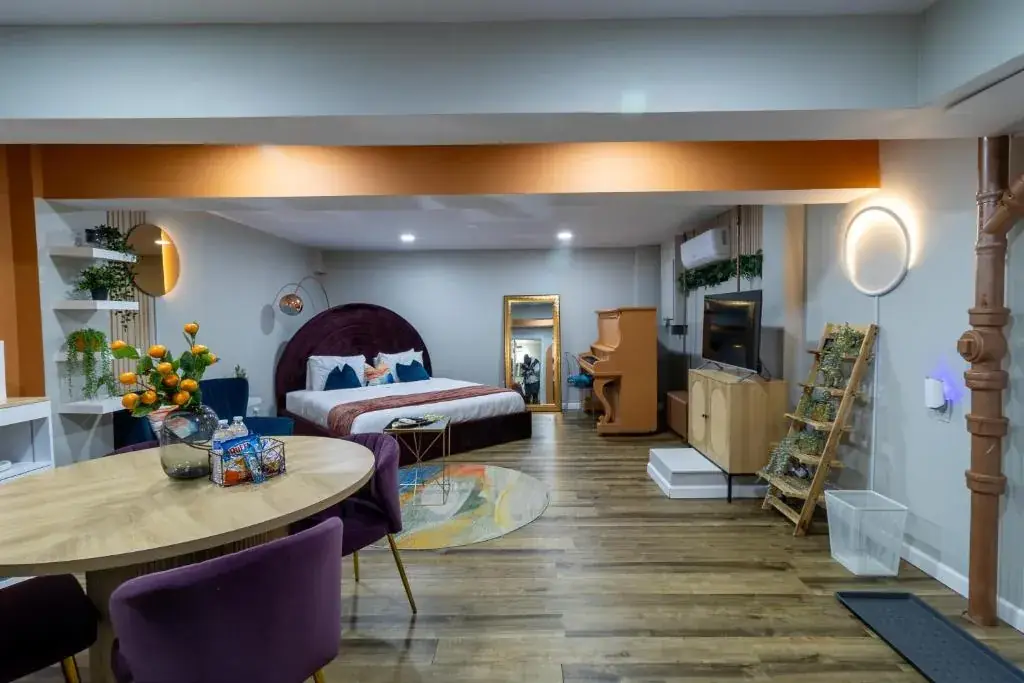
When asset managers evaluate the best downtown luxury villas united states, the primary objective involves distinguishing standalone compounds from hotel penthouses. A widespread misunderstanding assumes that any expensive unit in a city center provides a villa-style environment. In reality, properties lacking private ground-to-sky ownership fail to deliver essential spatial autonomy.
Furthermore, analyzing premier urban compounds requires separating interior design from structural engineering. A downtown townhome featuring historic brick facades provides minimal value if it lacks sound-isolated party walls. Conversely, an enterprise-grade urban villa incorporates garage-to-foyer elevators and soundproofed floor assemblies. Additionally, it features discrete staff staging zones that operate independently of primary living areas.
In addition, evaluating these specialized assets requires understanding municipal zoning ordinances and historic district rules. Managing an urban estate involves navigating city noise curfews and short-term rental frameworks. When an acquisition plan fails to audit these local regulations, unexpected fines or sudden operational shutdowns compromise the stay.
Deep Contextual Background
The evolution of urban luxury villas reflects a shift from suburban dominance toward center-city architectural innovation. In the mid-twentieth century, elite urban living was concentrated in classic cooperative apartments. These traditional units offered prestigious addresses. However, they suffered from shared building entrances, restrictive board oversight, and a complete absence of private garden space.
Eventually, rapid urban revitalization and technology-driven wealth creation altered executive preferences. High-net-worth principals began seeking spatial control and private garaging without forfeiting immediate access to financial centers. Architects responded by reengineering historic merchant townhomes into multi-level urban villas. Consequently, these new properties featured private plunge pools, high-speed elevators, and enterprise-grade security infrastructure.
In the contemporary landscape, the domestic market for downtown luxury villas has matured into a resilient real estate sector. Modern urban villa portfolios combine historic restoration with cutting-edge environmental engineering. By integrating absolute residential privacy with immediate urban connectivity, premier downtown villas allow principals to conduct confidential business in total seclusion.
Conceptual Frameworks and Mental Models
Navigating the evaluation of elite urban residential compounds requires structured analytical models.
The Urban Spatial Isolation and Ingress Model
This framework evaluates an urban property’s physical discretion across three critical layers:
-
Street-Level Ingress: Subterranean garaging, automated security gates, biometric access controls, and screened entry vestibules.
-
Acoustic Envelope: Sound-rated party walls, laminated acoustic windows, positive-pressure HVAC filtration, and dampened structural slabs.
-
Courtyard Layer: Enclosed interior courtyards, lightwells, and high-walled rooftop terraces designed to shield outdoor living areas from viewing angles.
The Urban Total Cost of Occupancy (TCO) Model
This model structures the true financial baseline of an urban villa by aggregating base lease tariffs alongside urban operational overhead:
-
Base Rate: Published lease tariffs.
-
Unbundled Fees: Garage valet retainers, municipal occupancy taxes, specialized security fees, and high-capacity utility surcharges.
-
Efficiency Benchmark: An urban arrangement achieves financial clarity when unbundled fees do not exceed fifteen percent of the base tariff.
Key Categories and Variations
When analyzing downtown luxury villas, property configurations fall into distinct architectural categories. Industry analysts classify these flagship urban assets into six primary variations.
Historic East Coast Townhome Villas
Multi-story brownstone estates in New York’s West Village or Boston’s Beacon Hill featuring restored historic facades and private rear gardens.
-
Trade-Offs: This category delivers rich architectural heritage. However, it involves navigating strict historic preservation board rules and narrow stairwells.
Subtropical Courtyard Estates
Gated historic compounds in Charleston or New Orleans featuring high masonry walls, lush palm courtyards, and detached carriage houses.
-
Trade-Offs: This choice provides exceptional outdoor privacy and historic charm. On the downside, it requires intensive humidity management and pest control.
Contemporary Sunbelt Urban Infill Villas
Modern concrete-and-glass compounds in downtown Austin or Atlanta equipped with private rooftop plunge pools and high-speed tech infrastructure.
-
Trade-Offs: This model offers cutting-edge smart-home automation and open-plan living. Conversely, it faces rapid surrounding urban density changes.
Coastal Metropolitan Waterfront Compounds
Sprawling low-rise urban estates in Miami’s Brickell core featuring private deep-water boat slips and resort-style pool decks.
-
Trade-Offs: This option combines city access with direct maritime integration. Nevertheless, it demands hurricane storm-hardening and salt-air protection.
Western Adaptive-Reuse Industrial Mansions
Converted historic warehouses in downtown Chicago or Denver featuring soaring timber ceilings and private internal parking courts.
-
Trade-Offs: This variation grants immense volumetric square footage and total layout flexibility. However, large volumes demand high-capacity HVAC heating and cooling systems.
West Coast Hillside Urban Sanctuary Villas
Elevated architectural estates situated on urban hillsides overlooking downtown cores in Los Angeles or San Francisco.
-
Trade-Offs: This setup delivers sweeping skyline views while maintaining distance from street-level traffic. On the downside, it involves steep access roads and seismic engineering.
Regional Urban Villa Category Comparison Matrix
| Category | Primary Hubs | Architectural Style | Staff Ratio | Primary Challenge |
| Historic East Coast | Manhattan, Boston | Historic Brownstone | 1:1 to 3:1 | Preservation codes & narrow access |
| Subtropical Courtyard | Charleston, New Orleans | Historic Colonial | 1:1 to 2:1 | High humidity & pest control |
| Sunbelt Infill | Austin, Atlanta | Contemporary Glass | 1:1 to 3:1 | Solar heat gain & rapid growth |
| Coastal Waterfront | Miami, San Diego | Subtropical Modern | 2:1 to 4:1 | Salt-air corrosion & storm-surge |
| Adaptive-Reuse Loft | Chicago, Denver | Industrial Timber | 1:1 to 2:1 | High-volume HVAC heating/cooling costs |
| Hillside Sanctuary | Los Angeles, San Francisco | Cantilevered Glass | 1:1 to 3:1 | Seismic engineering & steep access roads |
Detailed Real-World Scenarios
Examining real-world scenarios illustrates how acoustic engineering and municipal zoning impact high-stakes urban residential stays.
Mitigating Street Noise in a Manhattan West Village Townhome
A corporate executive team leased a historic townhome in Manhattan for a two-week product launch retreat.
-
Constraints: High-bandwidth remote operations; absolute acoustic quiet for video recording; strict historic district modification rules.
-
Decision Points: The travel director verified that the property featured secondary acoustic window assemblies and sound-isolated party walls.
-
Failure Modes Identified: Heavy urban delivery traffic creates severe low-frequency rumble that penetrates historic single-pane glass.
-
Second-Order Effects: The installed secondary acoustic glazing attenuated exterior noise significantly, creating a quiet interior environment for calls.
-
Resolution: The retreat executed without acoustic interruptions, demonstrating the necessity of auditing structural sound ratings.
Navigating Parking and Security Logistics in Downtown Austin
An enterprise software company reserved an urban villa in downtown Austin to host key clients during an industry conference.
-
Constraints: Secure parking for four executive SUVs; private catering setup for thirty guests; strict noise curfews in residential infill zones.
-
Decision Points: The executive assistant verified that the estate featured a subterranean garage with an internal elevator and private alley loading access.
-
Failure Modes Identified: Parking executive vehicles on public city streets exposes principals to security risks, while unpermitted catering trucks risk municipal code shutdowns.
-
Second-Order Effects: Utilizing the subterranean garage allowed executive arrivals and catering staging to occur completely out of public view.
-
Resolution: The hosting events executed seamlessly, highlighting the importance of verifying private garaging infrastructure.
Planning, Cost, and Resource Dynamics
Optimizing financial resource allocation across downtown villa leases requires balancing base property tariffs against unbundled municipal taxes and garaging management overhead.
Direct Versus Indirect Urban Residential Expenses
-
Direct Costs: Base nightly lease tariffs, municipal hotel occupancy taxes, security deposits, and estate housekeeping payroll.
-
Indirect Costs: Private garage valet retainers, municipal event permits, specialized urban trash removal fees, and air filtration servicing.
Financial Planning Matrix for Urban Villa Leasing
| Stay Duration | Target Property Tier | Core Inclusions to Negotiate | Primary Financial Risk |
| 3 – 7 Days | Downtown Infill Villa | Garage access, daily maid, basic chef | High baseline daily lease rate |
| 1 – 2 Weeks | Historic Courtyard Compound | Dedicated butler, private driver, valet | Municipal occupancy tax surcharges |
| 1+ Months | Master Urban Estate | Full staffing team, utility cap, security | High non-refundable capital deposit |
Tools, Strategies, and Support Systems
Executing error-free urban villa bookings relies on specialized acoustic verification software and accredited brokerage networks.
-
Acoustic Sound Level Meters: Testing noise attenuation from city streets during venue audits.
-
Municipal Permit Registries: Accessing city government databases to verify valid urban lodging licenses.
-
Encrypted Urban Mesh Wi-Fi Systems: Deploying specialized hardware configured to overcome dense concrete signal dampening.
-
Subterranean Garaging Audits: Verifying garage ceiling clearances and automated gate speeds for armored SUVs.
-
Accredited Metropolitan Luxury Brokerages: Partnering with local real estate brokers who understand urban zoning codes.
-
Air Quality Inspection Portals: Auditing HVAC HEPA filtration systems to eliminate city exhaust odors and particulates.
Risk Landscape and Failure Modes
Failing to properly vet municipal permits and acoustic isolation introduces severe operational vulnerabilities during urban villa stays.
Unpermitted Commercial Operations
Leasing an urban villa for executive hosting in a neighborhood where commercial events are prohibited can result in police intervention.
Severe Low-Frequency Noise Intrusion
Occupying properties located near subway lines or nightlife corridors without specialized acoustic glazing leads to severe sleep and work disruptions.
Insecure Street-Level Access
Selecting properties that lack enclosed garaging forces principals to enter on public city sidewalks under public view.
Governance, Maintenance, and Long-Term Adaptation
Sustaining high operational standards across urban residential assets requires continuous property maintenance and pre-arrival audits.
-
Pre-Arrival Inspection Protocol: Execute a 48-hour checklist verifying acoustic window seals, garaging gates, HEPA filters, and elevator programming.
-
Quarterly Municipal Compliance Reviews: Audit local zoning codes, short-term rental permit status, and historic district board guidelines regularly.
-
Layered Urban Estate Maintenance Checklist:
-
Verify that municipal short-term rental permits are current.
-
Confirm that subterranean garage gates and security monitoring systems operate at peak capacity.
-
Inspect acoustic window seals, party wall soundproofing, and privacy shades.
-
Audit HVAC air filtration, positive-pressure systems, and internal elevator safety mechanisms.
-
Measurement, Tracking, and Evaluation
Assessing the overall execution of an urban villa stay involves monitoring both quantitative operational metrics and qualitative living signals.
Key Performance Indicators
-
Acoustic Decibel Attenuation Rate: The measured reduction in decibels from street noise to interior living areas (Target: > 40 dB reduction).
-
Municipal Compliance Rate: Verification that 100% of local lodging, parking, and event permits are fully executed without citations (Target: 100%).
-
Principal Stay Satisfaction Score: Survey ratings evaluating privacy, security, acoustic comfort, and check-in efficiency relative to hotel alternatives.
Common Misconceptions and Oversimplifications
Hotel Penthouses Offer the Same Privacy as Standalone Villas
Hotel penthouses require navigating shared public lobbies and valet bays. Consequently, this setup exposes guests to constant public contact.
High-Rise Floors Automatically Eliminate City Noise
Low-frequency traffic hum and sirens travel upward easily. Therefore, high-altitude glass without acoustic treatment still leaks sound.
All Downtown Properties Allow Private Commercial Events
Urban residential zones enforce strict noise curfews and parking regulations. As a result, unpermitted gatherings risk immediate city shutdowns.
Urban Villa Rentals Are Always More Expensive Than Hotel Suites
When hosting executive teams requiring multiple suites, renting a single urban villa compound delivers lower net per-person costs.
Ethical, Practical, or Contextual Considerations
Operating luxury private estates within dense urban centers carries significant civic responsibilities. Property managers and principal guests must balance personal luxury with neighborhood respect and municipal compliance. Furthermore, sustainable estate management practices include utilizing energy-efficient HVAC systems, adhering to noise curfews, and supporting fair local workforce wages. Indeed, demonstrating thoughtful civic responsibility transforms urban villa living into a sustainable model of modern metropolitan residence.
Conclusion
Evaluating and securing the best downtown luxury villas united states requires an analytical approach. Coordinators must connect urban structural engineering, acoustic sound isolation, secure vehicular access, and municipal legal due diligence. Relying solely on promotional interior design photography exposes travelers to urban noise intrusion and permit shutdowns. Conversely, by evaluating spatial isolation models, auditing acoustic window ratings, and verifying subterranean garaging, family offices ensure complete operational control. Ultimately, thorough due diligence and proactive risk management transform downtown estate rentals into secure, highly productive metropolitan sanctuaries.