Evaluating elite residential leasing, private coastal compounds, architectural estate management, and bespoke hospitality programming across international luxury markets reveals an intricate real estate and service ecosystem. Indeed, the global high-net-worth travel sector has evolved far beyond standard hotel room allotments or automated online booking engines. Today, private family offices, corporate leadership teams, and discerning travelers increasingly prioritize private residential estates. Consequently, these standalone compounds offer absolute spatial control, customized culinary staffing, secure perimeters, and deep integration with surrounding natural topographies.
Analyzing elite private residential rentals across global destinations demands looking past promotional photography to inspect the operational infrastructure underneath. A luxury estate positioned along a Mediterranean cliffside, a Caribbean beachfront cay, an Alpine ski ridge, or a Southeast Asian tropical sanctuary must manage complex logistical supply chains. Therefore, estate directors must deploy reliable off-grid utility redundancies, professional security details, advanced climate control systems, and rigorous property maintenance programs. When a property fails to execute these operational protocols, service breakdowns quickly disrupt the guest experience.
Assessing high-end residential options across regional tourism markets demands evaluating land-to-key ratios, staff-to-guest ratios, asset depreciation curves, and total stay value calculations. When private wealth managers evaluate high-end residential upkeep, learning how to manage luxury villas maintenance issues represents an exercise in risk management and experiential quality control. Understanding how property operators manage technical repairs, preserve architectural integrity, and structure preventative servicing is essential for securing long-term asset value and guest satisfaction.
Understanding how to manage luxury villas maintenance issues
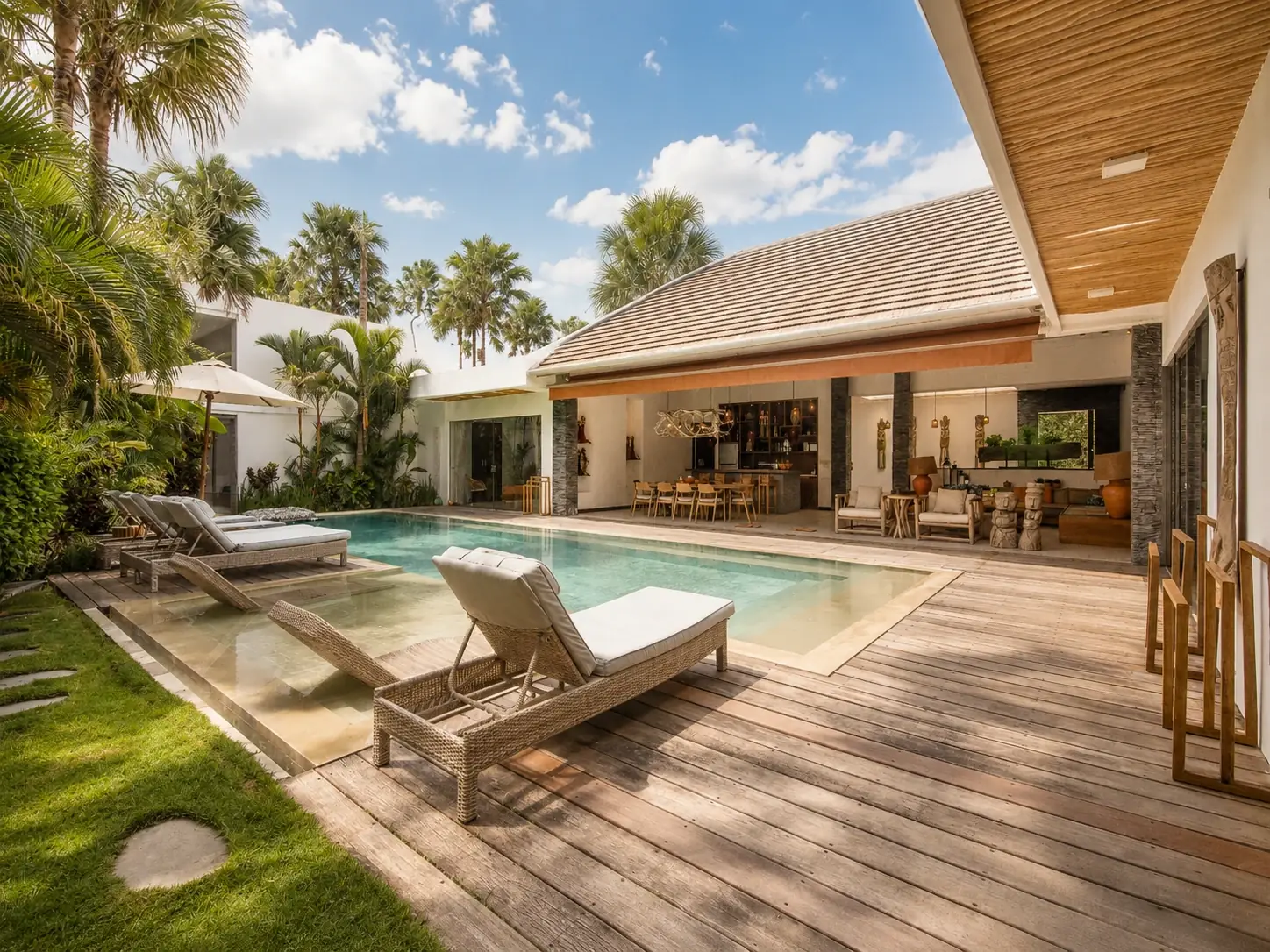
When asset managers and property directors investigate how to manage luxury villas maintenance issues, the primary task involves separating public marketing claims from physical property realities. A widespread misunderstanding assumes that any residential property advertised with high-end interior finishes automatically requires minimal operational upkeep. In reality, many properties lacking professional management suffer from chronic humidity degradation, unserviced mechanical systems, and rapid material wear across custom finishes.
Furthermore, analyzing premier private estates requires distinguishing between superficial aesthetic styling and functional mechanical architecture. A cliffside villa featuring floor-to-ceiling glass walls provides minimal restorative value if the building lacks corrosion-resistant framing, adequate climate control zoning, or accessible maintenance chases. Conversely, a true luxury estate utilizes dedicated back-of-house service corridors, centralized building management systems, and integrated technical teams that operate completely independent of guest living areas.
In addition, assessing these operational challenges requires understanding how property management agreements and vendor contracts handle emergency repairs, preventative servicing, and liability indemnification. Managing an elite private estate requires isolating technical repairs from guest sightlines and operational hours. When a property executes strict maintenance scheduling—ensuring that contractor entries, diagnostic testing, and system overhauls remain logically zoned—it creates a seamless environment where high-profile individuals can relax without disruption.
Deep Contextual Background
The evolution of elite private villa maintenance reflects a multi-decade shift from historic family estates relying on local handymen to institutionalized, professionally managed asset portfolios. In the mid-twentieth century, high-end estate maintenance was largely managed through informal local networks and resident domestic staff who handled repairs on an ad-hoc basis. These historic properties operated with minimal standardized engineering protocols, relying instead on heavy masonry construction and traditional materials.
However, the late twentieth and first decades of the twenty-first century brought rapid global wealth expansion, sophisticated smart-home automation, and the rise of specialized luxury hospitality asset management brands. Property owners began installing complex glass curtain walls, infinity-edge hydraulic pools, geothermal climate control systems, and commercial-grade kitchen equipment. Consequently, maintaining these multi-million-dollar compounds required shifting from reactive repairs to predictive engineering programs managed by specialized technical syndicates.
In the contemporary landscape, mastering how to manage luxury villas maintenance issues has matured into an institutionalized discipline. Modern property portfolios combine sustainable architectural design, IoT-enabled sensor diagnostics, medical-grade water treatment plants, and resident engineering teams managed by leading property corporations. By integrating preventative asset management with professional hospitality standards, premier estates allow owners to protect long-term capital appreciation while delivering flawless guest experiences.
Conceptual Frameworks and Mental Models
Navigating the evaluation and execution of elite residential upkeep requires structured analytical models that account for asset degradation, microclimate stress, and service prioritization.
The Estate Asset Health and Degradation Index
This framework evaluates a property’s structural and mechanical vulnerability by assessing environmental exposure, material lifespan, and historical repair frequency across multi-tiered building systems.
The Technical Service Choreography Model
This model evaluates how effectively an estate manages the operational interface between technical contractors and guest spaces across three functional maintenance layers:
-
Front-of-House Preventative Layer: Routine aesthetic touch-ups, pool chemical balancing, and garden maintenance executed during unoccupied windows without guest intrusion.
-
Back-of-House Engineering Layer: Mechanical rooms, centralized chiller plants, generator yards, and fiber-optic distribution hubs operated via dedicated service corridors.
-
Emergency Response Layer: Rapid diagnostic protocols, redundant backup pumps, and 24/7 on-call engineering contractors protecting critical habitability systems.
Key Categories and Variations
When individuals evaluate how to manage luxury villas maintenance issues across diverse regional topographies, maintenance strategies fall into distinct operational categories. Industry analysts group these flagship maintenance models into six primary variations.
Caribbean Coastal Corrosion and Storm Maintenance
Management frameworks addressing relentless salt-air oxidation, high humidity, timber swelling, and seasonal hurricane wind mitigation across beachfront estates.
-
Trade-Offs: Preserves marine architecture and structural safety. However, it requires frequent replacement of exterior hardware, specialized marine coatings, and intensive storm-shutter deployment.
Mediterranean Historic Stone Upkeep
Restored historic villas situated across Tuscany or the Amalfi Coast requiring specialized masonry preservation, lime-wash reapplication, and seismic structural reinforcement.
-
Trade-Offs: Maintains authentic historic character and architectural heritage. Conversely, it involves scarce skilled artisans, strict preservation laws, and delicate material sourcing.
Alpine Extreme Weather and Snow-Load Management
Timber and stone estates in Aspen or Verbier requiring heavy roof snow-load monitoring, pipe freeze prevention, and heated driveway maintenance.
-
Trade-Offs: Protects structural integrity and winter operational continuity. Nevertheless, it involves high energy consumption for heat tracing and severe weather contractor access challenges.
Hawaiian Tropical Microclimate Preservation
Resort-style compounds across Maui and Kauai managing intense UV radiation, trade-wind moisture, termite mitigation, and lush tropical landscaping overgrowth.
-
Trade-Offs: Secures lush tropical ambiance and structural longevity. On the downside, it requires constant pest monitoring, mold remediation, and UV-resistant finishing.
Desert Arid Thermal and Dust Engineering
Horizontal compounds engineered into arid desert floors across Scottsdale or Palm Springs requiring advanced HVAC dust filtration, solar panel cleaning, and stucco thermal expansion management.
-
Trade-Offs: Protects sensitive electronics and indoor air quality against abrasive desert winds. However, it demands frequent filter replacements and dedicated solar cleaning schedules.
Urban Vertical Penthouse Maintenance
High-rise luxury towers in major financial hubs managing shared building mechanical ties, elevator maintenance agreements, and strict homeowners association work rules.
-
Trade-Offs: Leverages shared building infrastructure and central urban security. However, it operates under rigid union contractor schedules and restricted renovation hours.
Villa Maintenance Strategy Comparison Matrix
Detailed Real-World Scenarios
Analyzing real-world scenarios demonstrates how maintenance planning, vendor management, and technical oversight impact high-stakes private estates.
Managing Salt-Air Corrosion at a Caribbean Beachfront Compound
An estate director managed a luxury compound in the Turks and Caicos facing rapid degradation of exterior architectural metalwork and sliding glass door tracks due to continuous marine mist exposure.
-
Constraints: Requirement to replace standard steel fasteners and aluminum tracks without disrupting back-to-back high-paying guest arrivals.
-
Decision Points: When property managers address how to manage luxury villas maintenance issues in marine environments, the team evaluated reactive part replacements against a systematic preventive passivation program.
-
Failure Modes Identified: Reactive repairs lead to sudden door jamming and rust bleeding onto pristine travertine stonework during peak rental weeks.
-
Second-Order Effects: Implementing a quarterly maintenance cycle using 316 marine-grade stainless steel hardware and protective ceramic coatings eliminated rust staining and extended component lifespan threefold.
-
Resolution: The estate maintained flawless operational readiness, proving the value of proactive environmental material selection.
Overcoming Heating Failures at an Alpine Chalet in Verbier
A luxury chalet in Verbier experienced a primary boiler circulation pump failure during a sub-zero winter holiday week with a full family party in residence.
-
Constraints: Rapid response required to prevent catastrophic pipe freezing; zero disruption to indoor guest activities; local road closures due to heavy snowfall.
-
Decision Points: The estate management company activated a pre-contracted emergency service level agreement with a local Swiss heating technician backed by an on-site redundant backup boiler.
-
Failure Modes Identified: Relying on a single non-redundant heating system in alpine environments risks severe property damage and immediate guest evacuation.
-
Second-Order Effects: Because the property maintained automated telemetry alerts and an on-site backup circulation pump, the engineering team switched systems within forty minutes before indoor temperatures dropped.
-
Resolution: Guests remained entirely unaware of the mechanical failure, highlighting the necessity of engineered system redundancies in extreme climates.
Planning, Cost, and Resource Dynamics
Optimizing the allocation of capital and operational resources for estate upkeep requires balancing direct preventative maintenance budgets against emergency repair costs and asset depreciation.
Direct Versus Indirect Maintenance Expenses
-
Direct Costs: Scheduled HVAC servicing, pool chemical management, routine painting, landscaping labor, and contracted specialist retainers.
-
Indirect Costs: Emergency callout surcharges, premature equipment replacement due to deferred maintenance, loss of rental revenue during unexpected shutdowns, and property value depreciation.
Financial Planning Matrix for Estate Maintenance
Tools, Strategies, and Support Systems
Executing seamless maintenance operations across premier private estates relies on specialized digital asset management software, IoT diagnostic sensors, and accredited contractor networks.
-
Computerized Maintenance Management Systems (CMMS): Utilizing advanced software platforms to schedule, track, and log preventative maintenance tasks across all estate mechanical assets.
-
IoT Environmental and Leak Detection Sensors: Deploying smart water shut-off valves, humidity monitors, and vibration sensors to detect anomalies before catastrophic failure occurs.
-
Accredited Contractor and Specialist Networks: Maintaining pre-vetted service agreements with elevator technicians, pool hydraulic engineers, and commercial refrigeration specialists.
-
Centralized Building Management Systems (BMS): Integrating lighting, HVAC, security, and irrigation into a single monitoring dashboard for remote estate supervision.
-
Comprehensive Spare Parts Inventory Management: Storing critical high-failure replacement components on-site, including pump impellers, lighting drivers, and plumbing valves.
-
Rigorous Post-Stay Property Inspection Audits: Executing detailed room-by-room diagnostic walk-throughs immediately following guest check-out to log maintenance defects.
Risk Landscape and Failure Modes
Failing to properly structure maintenance operations and vendor management introduces severe financial, structural, and reputational risks during estate asset lifecycles.
Deferred Preventative Maintenance Compounding
Postponing routine HVAC coil cleaning or roof waterproofing to save short-term operating cash, resulting in premature equipment burnout and major structural water damage.
Unvetted Contractor Access and Security Breaches
Permitting unmonitored local service technicians to wander residential guest wings without background checks or digital escort logs.
Inadequate Emergency Spare Parts Availability
Relying on standard local retail supply chains for specialized European architectural hardware or custom commercial kitchen parts, leading to weeks of operational downtime.
Governance, Maintenance, and Long-Term Adaptation
Sustaining high-performance standards across elite residential portfolios requires continuous asset auditing, vendor performance reviews, and rigorous seasonal adaptation workflows.
-
Seasonal Asset Transition Protocol: Execute formal bi-annual engineering checklists transitioning mechanical systems between heavy summer cooling and winter heating loads.
-
Quarterly Vendor Performance Audits: Review contractor response times, first-time fix rates, and invoice accuracy to maintain high accountability.
-
Layered Estate Maintenance Governance Checklist:
-
Verify that all fire suppression systems, alarms, and extinguishers undergo annual certification.
-
Confirm that backup diesel generators are tested under full electrical load monthly.
-
Inspect roof drainage systems, scuppers, and French drains prior to rainy seasons.
-
Audit swimming pool bonding and grounding wires to prevent electrical hazards.
-
Measurement, Tracking, and Evaluation
Assessing the efficiency and effectiveness of estate maintenance operations involves monitoring both quantitative engineering metrics and qualitative asset condition signals.
Key Performance Indicators
-
Preventative Maintenance Completion Rate: The percentage of scheduled routine maintenance tasks executed on time within the CMMS platform (Target: > 95%).
-
First-Time Fix Rate: The percentage of maintenance work orders resolved on the initial service visit without requiring repeat callouts (Target: > 90%).
-
Asset Uptime Percentage: The annual operational availability of critical estate infrastructure, including HVAC, power generation, and plumbing systems (Target: > 99%).
Common Misconceptions and Oversimplifications
High-End Finishes Eliminate the Need for Routine Upkeep
Luxury materials like natural marble, imported hardwoods, and custom brass fixtures often require more specialized, frequent maintenance than standard commercial building materials.
Local Handymen Can Adequately Service Modern Smart Estates
Complex automation networks, commercial chillers, and hydraulic pools require certified technicians rather than general residential handymen.
Maintenance Can Be Handled Reactively to Save Budget
Waiting for mechanical systems to fail in a luxury estate inevitably results in emergency repair premiums, guest dissatisfaction, and accelerated asset depreciation.
Property Management Agencies Automatically Handle Technical Engineering
Many standard rental booking agencies focus strictly on guest hospitality and housekeeping while neglecting deep mechanical asset management and preventative engineering.
Ethical, Practical, or Contextual Considerations
Operating and maintaining elite residential compounds in delicate coastal, alpine, or island ecosystems carries significant environmental and social responsibility. Estate owners and property management teams must balance high-net-worth operational demands with local ecological conservation, energy efficiency, and community respect. Sustainable maintenance practices—such as upgrading to energy-efficient inverter chillers, utilizing eco-friendly pool sanitization systems, recycling greywater for irrigation, and employing certified local technicians fairly—ensure that luxury estates harmonize with their host environments. Respecting local environmental limits transforms elite villa maintenance into a responsible, highly sustainable practice of modern asset stewardship.
Conclusion
Mastering how to manage luxury villas maintenance issues requires an analytical approach that connects predictive engineering, computerized maintenance tracking, environmental material selection, and rigorous vendor governance. Relying solely on reactive repairs or unvetted local handymen exposes property owners to catastrophic mechanical failures, accelerating depreciation, and compromised guest experiences. Conversely, by deploying CMMS platforms, enforcing preventative servicing schedules, leveraging IoT sensor diagnostics, and maintaining critical spare parts inventories, estate directors ensure complete operational control and enduring asset yield. Ultimately, disciplined property auditing and proactive technical planning transform luxury estate upkeep into a seamless, highly resilient, and value-preserving endeavor.