Evaluating high-end island real estate reveals a complex operational ecosystem. Furthermore, high-net-worth households prioritize standalone compounds across premier United States island jurisdictions. Consequently, these insular estates offer absolute spatial control and secure marine perimeters.
Analyzing island residential rentals requires inspecting the underlying engineering and operational infrastructure. A luxury estate positioned in Hawaii or Nantucket navigates distinct regional zoning laws and extreme marine exposure. Therefore, estate directors must deploy reliable off-grid utility redundancies and marine-grade building systems. When a property fails to execute these protocols, severe salt-air corrosion quickly compromises the guest experience.
Assessing domestic island options demands evaluating view-corridor preservation and staff-to-guest ratios. When wealth managers evaluate regional inventory, understanding how to evaluate american island luxury villas represents a vital exercise in land analysis. Recognizing how property managers handle island service choreography is essential for securing high-value outcomes.
Understanding american island luxury villas
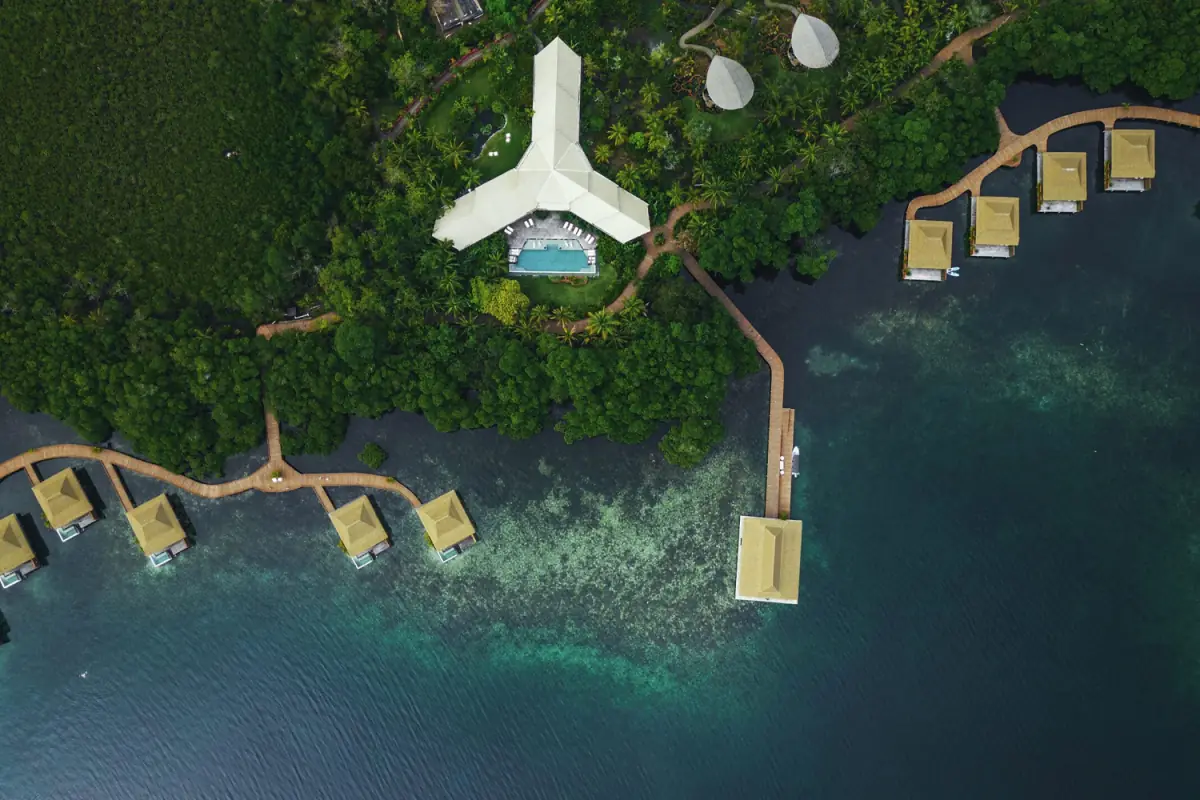
When asset managers evaluate american island luxury villas, the primary task involves separating marketing narratives from physical realities. A widespread misunderstanding assumes that any island property provides an elite environment. In reality, properties lacking specialized architectural planning frequently suffer from severe salt-air corrosion and unstable freshwater supplies.
Furthermore, analyzing premier island estates requires distinguishing between aesthetic framing and functional architecture. A waterfront villa featuring glass walls provides minimal value if it lacks marine-grade window assemblies. Conversely, an enterprise-grade island estate incorporates soundproofed floor slabs and on-site fuel storage reserves. Additionally, it features integrated staff management teams that operate independently of primary living spaces.
In addition, evaluating these insular assets requires understanding how local island zoning ordinances interact with maritime transport logistics. Managing an island compound involves navigating strict municipal waste disposal rules and localized labor availability. When a reservation plan fails to audit these variables, unexpected utility outages or food provisioning delays compromise the stay.
Deep Contextual Background
The evolution of island luxury rentals reflects a shift from informal summer cottages to professionally managed compounds. In the mid-twentieth century, domestic island travel was restricted to traditional family enclaves. These historic properties operated with minimal standardized hospitality services. Instead, owners relied on local caretaker relationships and static architectural designs.
Eventually, rapid wealth accumulation and institutional real estate investment altered high-net-worth traveler expectations. Principals began demanding the privacy of a home combined with the service standards of a five-star hotel. Developers responded by constructing purpose-built island compounds. Consequently, these new properties featured high-speed satellite backbones, private helipads, and smart-home automation.
In the contemporary landscape, the domestic market for island estates has matured into an institutionalized asset class. Modern island property portfolios combine sustainable marine architectural engineering with private hospitality teams. By integrating residential privacy with professional operational planning, premier domestic island estates allow guests to secure complete seclusion.
Conceptual Frameworks and Mental Models
Navigating the evaluation of elite domestic island properties requires structured analytical models.
The Insular Infrastructure Dependency Model
This framework evaluates an island property’s operational self-sufficiency across four critical layers:
-
Energy Redundancy: Grid interties backed by on-site diesel generators, battery storage systems, and microgrid solar arrays.
-
Water Sourcing: Municipal connections supplemented by deep groundwater wells, rainwater cisterns, and reverse-osmosis units.
-
Maritime Access: Deep-water dockage, floating tender slips, certified private helipads, or priority ferry access.
-
Supply Chain Storage: Walk-in refrigeration and commercial freezer capacity designed to buffer against transport disruptions.
The Insular Total Cost of Occupancy (TCO) Model
This model structures the true financial baseline of an island villa by aggregating base lease tariffs alongside insular operational overhead:
-
Base Rate: Published lease tariffs.
-
Unbundled Fees: Marine transport surcharges, utility generation overhead, staff hazard retainers, and localized island taxes.
-
Efficiency Benchmark: An island arrangement achieves financial clarity when unbundled fees do not exceed twenty percent of the base tariff.
Key Categories and Variations
When analyzing domestic island luxury properties, estate configurations fall into distinct architectural and climate categories. Industry analysts classify these flagship insular assets into six primary variations.
Hawaiian Volcanic Coastal Estates
Sprawling open-air compounds along the Kona-Kohala Coast featuring lava-rock architectural walls and private infinity pools.
-
Trade-Offs: This option delivers unmatched ocean horizon vistas and warm climates. However, it requires navigating island land-use restrictions and high import shipping costs.
New England Historic Island Manors
Classic shingle-style estates on Nantucket or Martha’s Vineyard combining maritime architecture with sweeping ocean bay views.
-
Trade-Offs: This choice offers rich maritime heritage and prestigious summer social networks. On the downside, it involves short summer operating seasons and harsh winterizing requirements.
Subtropical Barrier Island Compounds
Gated Atlantic or Gulf coast estates along Sea Island featuring private dune frontage and maritime live oak buffers.
-
Trade-Offs: This model provides direct beach access and warm ocean waters. Conversely, it demands hurricane storm-hardening and seasonal pest management.
Florida Keys Coral Reef Estates
Gated waterfront compounds in the Upper or Lower Keys featuring private deep-water boat slips and direct ocean access.
-
Trade-Offs: This variation grants direct maritime access with warm winter weather. Nevertheless, low-elevation terrain requires elevated pilaster construction.
Pacific Northwest Island Sanctuaries
Heavy-timber and glass sanctuaries embedded in old-growth forests along the San Juan Islands featuring private deep-water docks.
-
Trade-Offs: This setup delivers profound forest immersion and clean marine air. However, it involves higher atmospheric moisture and seasonal ferry dependencies.
US Virgin Islands Tropical Enclaves
Elevated hillside estates on St. John or St. Thomas featuring panoramic Caribbean vistas and custom open-air pavilion designs.
-
Trade-Offs: This category offers passport-free Caribbean access for US citizens. On the downside, it requires complete off-grid water management and island supply chain resilience.
Regional Island Villa Category Comparison Matrix
Detailed Real-World Scenarios
Examining detailed real-world scenarios illustrates how insular due diligence and environmental engineering impact high-stakes island stays.
Managing a Power Grid Outage on a Hawaiian Coastal Estate
A travel manager reserved an oceanfront compound on the Kohala Coast for a three-week family gathering.
-
Constraints: Uninterrupted remote work connectivity; medical refrigeration needs; zero allowance for air conditioning failure.
-
Decision Points: The manager verified that the property maintained a dual-generator setup with automatic transfer switches.
-
Failure Modes Identified: Island utility grids experience frequent localized brownouts during high-demand summer periods.
-
Second-Order Effects: The estate’s microgrid battery system engaged within 50 milliseconds of a utility blackout, followed by automatic generator activation.
-
Resolution: The stay proceeded without environmental or technical disruption, demonstrating the necessity of auditing off-grid power redundancies.
Overcoming Marine Logistics Disruptions in the San Juan Islands
An executive team leased an estate in Washington State’s San Juan Archipelago for a strategic retreat.
-
Constraints: Seamless arrivals via floatplane; daily gourmet catering; strict schedule adherence for board meetings.
-
Decision Points: The event planner selected an estate featuring a deep-water floating dock and an on-site commercial walk-in cooler.
-
Failure Modes Identified: Dense marine fog and high coastal winds grounded local ferry service and floatplane charters for forty-eight hours.
-
Second-Order Effects: Culinary operations continued seamlessly because the property maintained extensive walk-in cold storage and a deep-water dock.
-
Resolution: The strategic retreat completed all agenda items on time, highlighting the importance of walk-in provisioning storage.
Planning, Cost, and Resource Dynamics
Optimizing resource allocation across island villa rentals requires balancing base property tariffs against unbundled marine transport and utility generation.
Direct Versus Indirect Island Residential Expenses
-
Direct Costs: Base nightly lease tariffs, local island lodging taxes, security deposits, and estate housekeeping payroll.
-
Indirect Costs: Private water taxi fees, generator fuel surcharges, specialized marine window washing, and imported food markups.
Financial Planning Matrix for Island Villa Leasing
Tools, Strategies, and Support Systems
Executing error-free island villa bookings relies on specialized marine tracking software and accredited brokerage partnerships.
-
Marine Weather Software: Utilizing real-time maritime applications to monitor wave heights and tide tables prior to arrivals.
-
Satellite Router Deployments: Partnering with IT specialists to verify Starlink satellite terminals backed by cellular bonding.
-
Utility Diagnostics: Auditing reverse-osmosis plant output and backup generator run-hours during venue inspections.
-
Dockage Audits: Verifying dock draft depths and cleat capacities for private yacht or tender dockage.
-
Accredited Island Brokerages: Partnering with local island real estate specialists who understand municipal water rights.
-
Provisioning Networks: Coordinating with regional wholesale suppliers and private chefs to secure specialty culinary imports.
Risk Landscape and Failure Modes
Failing to properly vet insular utility infrastructure and maritime transport contracts introduces severe operational vulnerabilities.
Unmitigated Freshwater Shortages
Leasing island properties that rely solely on aging reverse-osmosis units leads to sudden water pressure loss during peak occupancy.
Severe Coastal Erosion
Occupying bluffside or barrier island estates built on unstable dunes exposes guests to structural hazards during coastal storms.
Complete Transport Isolation
Selecting remote island estates that lack deep-water docks leaves guests stranded when regional ferry services suspend operations during high winds.
Governance, Maintenance, and Long-Term Adaptation
Sustaining high operational standards across island residential assets requires continuous property maintenance and rigorous pre-arrival audits.
-
Pre-Arrival Protocol: Execute a 48-hour checklist verifying generator fuel levels, reverse-osmosis water purification, and automated storm shutters.
-
Quarterly Environmental Reviews: Audit municipal environmental permits, coastal commission guidelines, and private dock safety certifications regularly.
-
Layered Island Estate Maintenance Checklist:
-
Verify that municipal short-term rental permits and water rights are current.
-
Confirm that backup generators, solar microgrids, and battery storage operate at peak efficiency.
-
Inspect marine-grade window seals, automated storm shutters, and stainless steel hardware.
-
Audit pool heating, reverse-osmosis plants, and walk-in refrigeration units.
-
Measurement, Tracking, and Evaluation
Assessing the overall execution of an island villa stay involves monitoring both quantitative operational metrics and qualitative living signals.
Key Performance Indicators
-
System Uptime Percentage: The proportion of stay duration executed with uninterrupted power, high-speed internet, and fresh water (Target: 99.9%).
-
View Corridor Preservation Score: Verification that primary ocean sightlines remain optically secure from neighboring properties.
-
Guest Stay Satisfaction Score: Survey ratings evaluating check-in efficiency, culinary execution, staff attentiveness, and overall stay fluidity.
Common Misconceptions and Oversimplifications
Island Properties Automatically Offer Complete Privacy
Many island estates abut public beach access corridors where casual boaters disrupt guest privacy along oceanfront decks.
Island Villa Rentals Include Unlimited Water and Energy
Island freshwater and energy generation are finite resources. Consequently, overuse can strain reverse-osmosis units and trigger fuel surcharges.
All Island Destinations Feature Equal Emergency Access
Remote island locations require specialized medical evacuation insurance policies. Indeed, local island clinics often lack high-level trauma facilities.
Island Villa Leasing Is Always More Expensive Than Mainland Resorts
When hosting large families requiring multiple oceanfront suites, renting a single private island compound delivers lower net per-person costs.
Ethical, Practical, or Contextual Considerations
Operating luxury private estates across delicate domestic island ecosystems carries significant environmental and social responsibilities. Property managers and principal guests must balance personal luxury with local community integration and water conservation. Furthermore, sustainable estate management practices include utilizing solar microgrids, harvesting rainwater, landscaping with native drought-tolerant plants, and paying staff fair living wages. Respecting local indigenous heritage ensures that private compounds integrate harmoniously into host island communities. Demonstrating thoughtful social responsibility transforms island estate living into a sustainable model of modern insular residence.
Conclusion
Evaluating and securing american island luxury villas requires an analytical approach. Coordinators must connect marine site orientation, off-grid environmental engineering, insular supply chain logistics, and legal due diligence. Relying solely on promotional landscape photography exposes travelers to utility outages and marine transport delays. Conversely, by evaluating insular infrastructure dependency models, auditing reverse-osmosis plants, and verifying deep-water dockage, family offices ensure complete operational control. Ultimately, thorough due diligence and proactive risk management transform island estate rentals into secure oceanfront sanctuaries.