Evaluating enterprise venue selection reveals a demanding operational discipline. Furthermore, corporate hosting has shifted away from traditional hotel ballrooms. Today, executive teams demand standalone residential compounds. Consequently, these venues must guarantee physical security and acoustic isolation.
Analyzing private estates for commercial use requires looking past marketing images. Instead, planners must audit the physical infrastructure underneath. A sprawling estate in Napa Valley or the Swiss Alps navigates distinct municipal zoning laws. Therefore, corporate event directors must conduct rigorous technical due diligence. Without proper audits, leadership retreats face severe disruptions.
Assessing corporate venue options demands evaluating redundant network architectures and bedroom equity. When travel leads investigate the best luxury villas for corporate hosting, the process becomes an essential risk management exercise. Recognizing how operators isolate back-of-house service routes is indispensable for success.
Understanding best luxury villas for corporate hosting
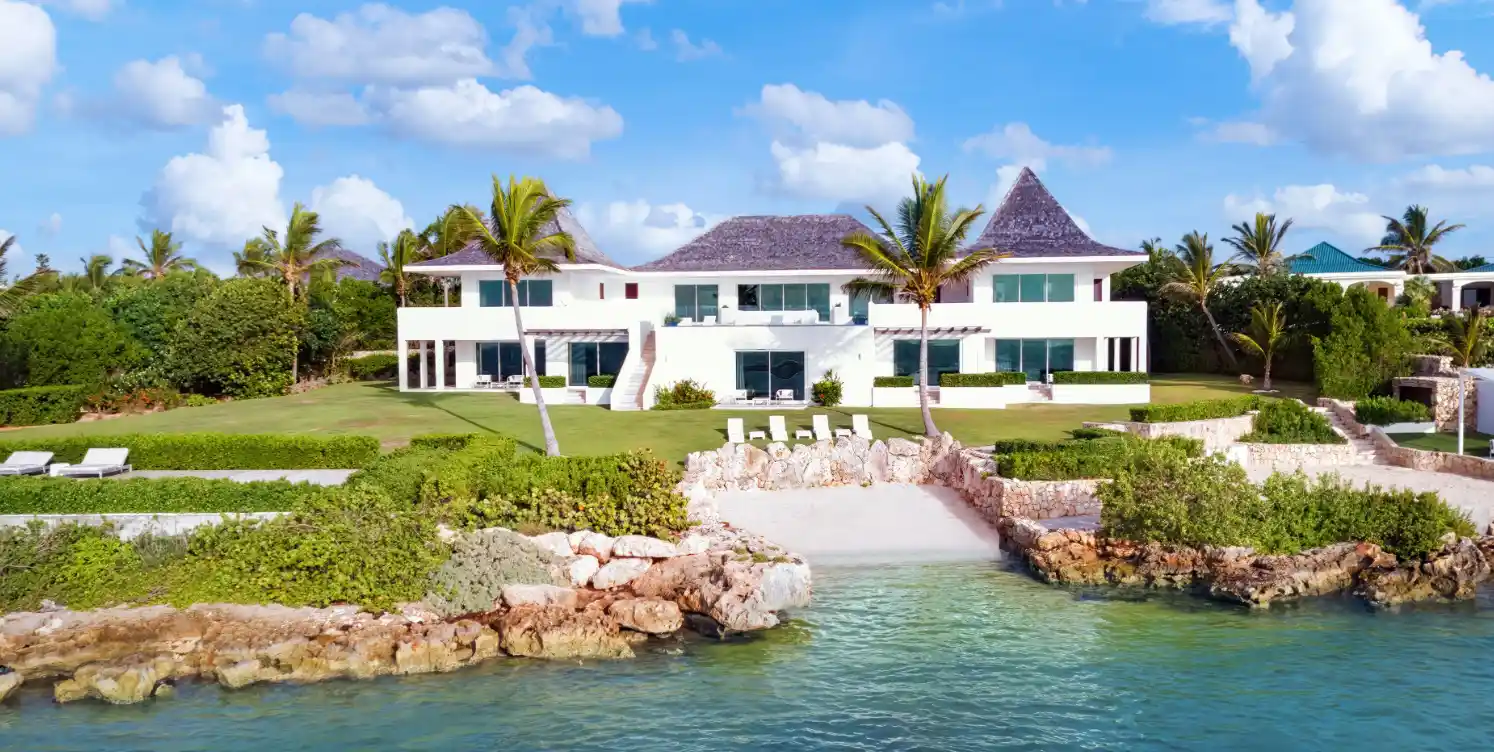
When coordinators evaluate the best luxury villas for corporate hosting, the primary task involves separating holiday homes from enterprise compounds. A widespread misunderstanding assumes that any ten-bedroom estate functions as an effective retreat venue. In reality, vacation properties frequently lack essential corporate amenities. For example, they rarely offer soundproofed boardrooms or dual-ISP fiber uplinks.
Furthermore, analyzing corporate compounds requires distinguishing between aesthetic framing and operational resilience. A cliffside estate boasting glass walls provides minimal value if the meeting room lacks thermal shades. Conversely, an enterprise-grade villa incorporates redundant power generation and load-balanced network racks. Additionally, it features discrete butler entryways that operate independently of primary meeting zones.
In addition, evaluating these assets requires understanding corporate liability and municipal event permits. Managing an executive retreat involves navigating local noise ordinances and security protocols. When a team fails to establish binding lease riders, municipal fines can compromise the entire event.
Deep Contextual Background
The evolution of corporate hosting reflects a transition from hotel bookings to private estate leasing. In the late twentieth century, corporate retreats were held almost exclusively in dedicated hotel conference centers. These traditional venues offered reliable AV infrastructure and standardized catering. However, they suffered from high public exposure and non-exclusive dining spaces.
Eventually, the rapid expansion of global technology enterprises altered corporate venue requirements. Corporate leaders began prioritizing absolute confidentiality and flexible meeting schedules. Real estate developers responded by designing purpose-built corporate estate compounds. These properties featured commercial IT racks, encrypted video conferencing suites, and soundproofed boardrooms.
In the contemporary landscape, selecting premier corporate villas has matured into a specialized discipline. Modern corporate villa portfolios operate within an institutionalized framework. By merging private luxury architecture with commercial-grade infrastructure, premier corporate villas allow leadership teams to execute confidential strategy sessions in total seclusion.
Conceptual Frameworks and Mental Models
Navigating the evaluation of corporate hosting estates requires structured analytical models.
The Enterprise Residential Infrastructure Matrix
This framework evaluates operational readiness across four critical infrastructure layers:
-
Digital Resilience: Dual-ISP fiber uplinks, cellular failovers, mesh access points, and UPS battery racks.
-
Acoustic Isolation: Sound-rated meeting rooms, motorized shades, ergonomic seating, and acoustic ceiling baffles.
-
Culinary Throughput: Commercial gas ranges, walk-in refrigeration units, and secondary service corridors.
-
Power Security: Battery Energy Storage Systems, diesel generators, zoned climate control, and air filtration.
The Executive Bedroom Equity Pyramid
This model evaluates how effectively an estate minimizes internal friction by assessing room layout symmetry:
-
Tier 1: Complete Symmetry: Identical primary master suites featuring matching square footage and private bathrooms.
-
Tier 2: Asymmetric Layouts: Large primary suites paired with smaller secondary bedrooms, requiring assignment matrixes.
-
Tier 3: Compromised Layouts: Estates containing bunk rooms or shared bathrooms that introduce status friction among senior attendees.
Key Categories and Variations
When analyzing corporate residential compounds, properties fall into distinct operational categories. Industry analysts group these assets into six primary variations.
Tech-Enabled Coastal Innovation Estates
Modernist glass compounds in Silicon Valley or Austin retrofitted with enterprise fiber racks and interactive whiteboards.
-
Trade-Offs: This option delivers exceptional technical infrastructure. However, it requires intensive humidity control and salt-air protection.
Alpine Strategic Retreat Chalets
High-altitude timber compounds in Aspen or Verbier featuring heated meeting terraces and indoor wellness facilities.
-
Trade-Offs: This category offers deep focus environments. On the downside, it involves sub-zero climate logistics and snow-clearing retainers.
Wine Country Executive Estates
Sprawling vineyard compounds in Napa Valley or Tuscany combining private culinary facilities with quiet meeting pavilions.
-
Trade-Offs: This choice provides world-class dining and serene settings. Nevertheless, it faces strict agricultural zoning and noise curfews.
Island Oceanfront Board Compounds
Gated tropical compounds in Hawaii or Turks and Caicos featuring private docks and generator redundancies.
-
Trade-Offs: This model grants complete physical privacy. Conversely, it involves complex island supply logistics and hurricane weather risks.
Desert Oasis Leadership Enclaves
Rammed-earth estates in Scottsdale or Dubai engineered for extreme solar mass efficiency and high-bandwidth operations.
-
Trade-Offs: This variation offers year-round sunshine and quiet surroundings. However, it requires continuous HVAC cooling and fine dust filtration.
Historic Countryside Corporate Manors
Restored historic manors in the Hudson Valley or Cotswolds combining architectural heritage with upgraded fiber-optic backbones.
-
Trade-Offs: This setup delivers rich cultural heritage and expansive grounds. On the downside, thick masonry walls require extensive wireless mesh deployment.
Corporate Villa Category Comparison Matrix
| Category | Primary Hubs | Technical Focus | Staff Ratio | Primary Challenge |
| Tech Coastal | Silicon Valley, Austin | Dual fiber & AV pods | 1:1 to 3:1 | Salt-air electronics wear & high tariffs |
| Alpine Chalet | Verbier, Aspen | Heated terraces & fiber cabling | 2:1 to 4:1 | Freeze protection & snow logistics |
| Wine Country | Napa Valley, Tuscany | Culinary kitchens & pavilions | 1:1 to 3:1 | Agricultural zoning codes & curfews |
| Island Oceanfront | Hawaii, Turks & Caicos | Generator redundancy & satellite | 2:1 to 4:1 | Island supply delays & storm risk |
| Desert Oasis | Scottsdale, Dubai | Industrial HVAC & dust filters | 1:1 to 2:1 | Extreme heat & solar gain management |
| Historic Manor | Hudson Valley, Cotswolds | Interior mesh Wi-Fi & halls | 2:1 to 3:1 | Masonry wall signal dampening |
Detailed Real-World Scenarios
Analyzing real-world scenarios demonstrates how technical due diligence impacts corporate hosting events.
Managing a Board Retreat in Napa Valley
A technology firm leased a winery estate in St. Helena for a three-day strategic board meeting.
-
Constraints: Uninterrupted video streams for remote board members; private chef dining; complete non-disclosure compliance.
-
Decision Points: The chief of staff verified that the property featured dual-ISP connections and a commercial kitchen.
-
Failure Modes Identified: The primary fiber line suffered an outage on day two due to nearby roadwork.
-
Second-Order Effects: The property’s automatic load-balancing router switched traffic to a secondary cellular uplink instantly.
-
Resolution: The board meeting executed without technology downtime, demonstrating the necessity of network redundancy.
Coordinating an Acquisition Summit in Aspen
A private equity firm booked a chalet in Aspen to host executive founders during merger negotiations.
-
Constraints: Strict confidentiality requirements; simultaneous breakout negotiation rooms; high-altitude climate comfort.
-
Decision Points: The event director selected a chalet featuring three soundproofed study suites equipped with encrypted network switches.
-
Failure Modes Identified: Conducting confidential negotiations in open living rooms risks acoustic bleed to domestic staff.
-
Second-Order Effects: Isolating negotiation teams into sound-rated study pods allowed deal leads to debate terms securely.
-
Resolution: The acquisition deal was finalized on schedule, proving the value of soundproofed breakout spaces.
Planning, Cost, and Resource Dynamics
Optimizing corporate capital allocation requires balancing base lease rates against technical upgrades and staffing retainers.
Direct Versus Indirect Expenditures
-
Direct Costs: Base nightly lease tariffs, commercial event surcharges, security deposits, and catering payroll.
-
Indirect Costs: Backup generator fuel reserves, dedicated IT support retainers, and municipal event permit fees.
Financial Planning Matrix for Corporate Estate Leasing
| Event Duration | Target Property Tier | Core Technical Inclusions | Financial Risk Factor |
| 2 – 4 Days | Executive Board Villa | Dual ISP, generator, housekeeping | High daily baseline lease tariff |
| 5 – 7 Days | Strategy Compound | Boardroom, BESS power, chef | Non-refundable commercial deposit terms |
| 10+ Days | Master Corporate Enclave | Custom IT rack, 24/7 security, full staff | Municipal event permit compliance fees |
Tools, Strategies, and Support Systems
Executing corporate hosting events relies on specialized digital verification tools and accredited agency partnerships.
-
Enterprise Load-Balancing Routers: Deploying hardware that automatically merges fiber and cellular uplinks to guarantee zero-drop video calls.
-
Acoustic Sound-Level Meters: Testing sound attenuation between meeting rooms and staff corridors during pre-arrival venue audits.
-
Commercial Catering Checklists: Auditing estate kitchen gas supply, refrigeration space, and dishwashing cycles prior to contract execution.
-
Encrypted Mesh Access Points: Installing temporary Wi-Fi hardware configured with dedicated corporate VPN tunnels and isolated guest networks.
-
Commercial Event Legal Riders: Appending legal riders to leases to permit commercial catering and extended staff hours.
-
Pre-Arrival Executive Software: Collecting room preferences, dietary requirements, and flight schedules to streamline check-in logistics.
Risk Landscape and Failure Modes
Failing to properly vet technical infrastructure and lease agreements introduces severe operational risks.
Network Bandwidth Drops
Leasing properties that rely on single-ISP connections can result in frozen video screens during high-stakes presentations.
Municipal Code Shutdowns
Renting estates in residential zones without securing commercial event permits risks code enforcement shutdowns or police noise interventions.
Acoustic Bleed
Discussing confidential financial terms in uninsulated living rooms allows domestic staff or secondary attendees to overhear sensitive data.
Governance, Maintenance, and Long-Term Adaptation
Executing seamless corporate events across private residential portfolios requires continuous technical auditing and staff debriefs.
-
Pre-Event Technical Protocol: Execute a 48-hour checklist verifying dual-ISP failover speed, generator fuel levels, and HVAC performance.
-
Post-Event Operational Debrief: Conduct mandatory debriefs with executive staff to log network uptime and spatial layout performance.
-
Layered Corporate Governance Checklist:
-
Verify that municipal short-term commercial event permits are valid.
-
Confirm that dual-ISP routers automatically switch lines during primary outages.
-
Inspect boardroom acoustic seals, motorized shades, and task lighting.
-
Audit back-of-house kitchen equipment, walk-in refrigeration, and dishwashers.
-
Measurement, Tracking, and Evaluation
Assessing the operational success of a corporate villa event involves monitoring quantitative technical metrics and qualitative executive feedback.
Key Performance Indicators
-
Network Uptime Percentage: The proportion of event duration executed with uninterrupted network connectivity (Target: 99.99%).
-
Executive Productivity Index: Survey ratings measuring focus quality and meeting efficiency compared to corporate office baselines.
-
Service Resolution Velocity: The average time required for property management to resolve technical requests (Target: < 15 minutes).
Common Misconceptions and Oversimplifications
High Nightly Rates Guarantee Enterprise IT
Ultra-luxury properties built for vacationing often feature consumer Wi-Fi hardware that crashes when dozens of executive devices connect.
Any Large Residential Kitchen Supports Catering
Domestic kitchens lack high-capacity dishwashers and walk-in cold storage, forcing external catering teams into slow service pacing.
Open-Plan Living Rooms Function as Boardrooms
Open architectural layouts cause severe voice echo and acoustic bleed, making them unsuitable for formal corporate presentations.
Insurance Eliminates the Need for Venue Vetting
Insurance reimburses financial losses after a cancellation. However, it cannot repair strategic damage caused by a failed executive retreat.
Ethical, Practical, or Contextual Considerations
Leasing luxury private estates for corporate hosting carries significant environmental and social responsibilities. Corporate travel leads must balance business objectives with local community integration and fair labor practices. Sustainable hosting practices include utilizing solar microgrids, eliminating single-use plastics, sourcing catering produce locally, and paying domestic staff fair living wages. Furthermore, strictly adhering to municipal noise curfews ensures that enterprise events respect host communities. Demonstrating social responsibility transforms corporate hosting into a sustainable model of modern business stewardship.
Conclusion
Mastering the evaluation and selection of the best luxury villas for corporate hosting requires an analytical approach. Coordinators must connect enterprise network architecture, acoustic spatial design, commercial culinary throughput, and legal auditing. Relying solely on holiday listing platforms exposes corporate teams to network failures and municipal permit shutdowns. Conversely, by deploying redundant dual-ISP networks, auditing room symmetry, and structuring legally binding lease riders, enterprise leaders ensure absolute operational control. Ultimately, disciplined technical due diligence transforms private residential leasing into a powerful asset for corporate governance.