Evaluating high-end residential real estate, vertical architectural land site orientation, luxury hospitality programming, and estate management across North American metropolitan skylines reveals an intricate spatial ecosystem. Indeed, the domestic ultra-luxury lodging sector has expanded far beyond standard resort compounds or conventional urban penthouses. Today, private family offices, enterprise leadership teams, and multi-generational households prioritize vertical residential compounds situated high above major metropolitan centers. Consequently, these exclusive sky estates offer absolute spatial control, customized culinary staffing, secure vertical perimeters, and deep architectural integration with surrounding cityscapes.
Analyzing premier vertical residential rentals across domestic territories demands looking past promotional architectural renderings to inspect the underlying engineering and operational infrastructure. A luxury estate positioned along a Manhattan tower crown, a Miami waterfront skyscraper, a Chicago skyline spire, or a Los Angeles architectural high-rise navigates distinct regional zoning laws, extreme high-altitude wind exposure, and complex vertical supply chain logistics. Therefore, estate directors must deploy reliable off-grid utility redundancies, professional security details, wind-resistant building systems, and rigorous property maintenance programs. When a property fails to execute these operational protocols, severe high-altitude atmospheric pressure changes and elevator logistics quickly compromise the guest experience.
Assessing domestic vertical options demands evaluating view-corridor preservation, high-altitude thermal efficiency, staff-to-guest ratios, and total stay value calculations. When private wealth managers, corporate travel directors, and experienced operators evaluate regional inventory, understanding how to select luxury high rise villas usa represents an exercise in land analysis, legal auditing, and operational risk management. Recognizing how property managers handle back-of-house vertical service choreography, preserve acoustic and visual isolation, and structure bespoke guest itineraries is essential for securing high-value travel outcomes.
Understanding luxury high rise villas usa
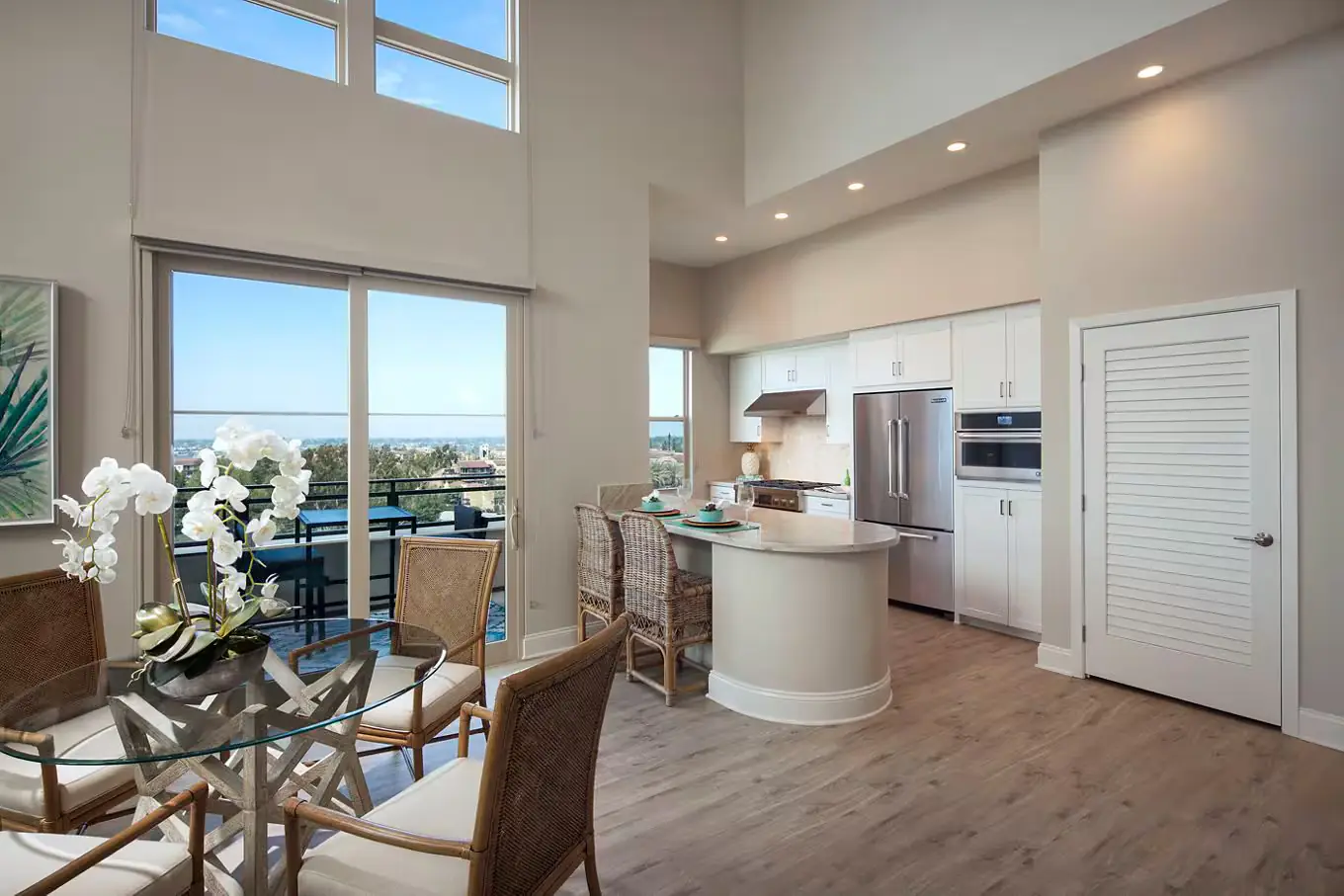
When asset managers and luxury travel directors evaluate luxury high rise villas usa, the primary task involves separating public marketing claims from physical site realities and vertical structural engineering. A widespread misunderstanding assumes that any residential property situated on the top floor of a skyscraper automatically qualifies as an elite vertical estate. In reality, many properties lacking specialized architectural planning suffer from severe high-altitude wind sway, unbuffered solar glare, reflective thermal buildup, and intrusive elevator shaft noise that degrade daily living quality.
Furthermore, analyzing premier domestic vertical estates requires distinguishing between aesthetic framing and functional sky architecture. A penthouse villa featuring floor-to-ceiling glass walls provides minimal restorative value if the building lacks impact-resistant glazing, automated thermal louvers, acoustic soundproofing, or accessible private elevator shafts. Conversely, a true enterprise-grade vertical residential estate utilizes dedicated private elevator vestibules, soundproofed structural floor slabs, and integrated staff management teams that operate completely independent of primary view-gazing living spaces.
In addition, assessing these properties requires understanding how property management agreements, condominium association bylaws, and concierge services handle security, guest privacy, and vertical land preservation. Managing an elite private vertical compound requires isolating guest residential wings from external service traffic, public lobby areas, and shared building amenities. When a management structure executes strict spatial separation—ensuring that service entries, security monitoring posts, and guest viewing pavilions remain logically zoned—it creates a secure environment where high-profile individuals can relax and conduct confidential business amid pristine skyline scenery.
Deep Contextual Background
The evolution of premier vertical private villa rentals across the United States reflects a multi-decade progression from historic urban apartments and standard penthouses to professionally managed, ultra-exclusive sky compounds. In the mid-twentieth century, domestic luxury travel was largely restricted to grand urban resort hotels in destinations like New York, Chicago, or San Francisco, or informal rentals arranged through personal social networks. These historic properties operated with minimal standardized hospitality services, relying instead on resident domestic staff and static architectural designs.
However, the late twentieth and early twenty-first centuries brought rapid domestic wealth creation, institutional real estate investment in premier metropolitan markets, and the rise of specialized luxury hospitality management brands. High-net-worth travelers began demanding the space and privacy of a private home combined with the rigorous service standards, safety protocols, and concierge support of a five-star hotel. Developers and property owners responded by constructing purpose-built vertical compounds featuring high-speed private elevators, professional commercial catering kitchens, dedicated spa pavilions, and integrated smart-home environmental automation.
In the contemporary landscape, the domestic market for luxury high rise villas usa has matured into an institutionalized asset class. Modern property portfolios combine sustainable vertical architectural engineering, native sky-garden restoration, medical-grade air and water purification, and private hospitality teams managed by leading hospitality corporations. By integrating residential privacy with professional hotel-grade operational planning, premier domestic vertical estates allow guests to secure complete seclusion backed by reliable legal, technical, and logistical support.
Conceptual Frameworks and Mental Models
Navigating the evaluation and selection of elite domestic vertical properties requires structured analytical models that account for land site orientation, physical resilience, and service integration.
The Vertical View Corridor and Privacy Matrix
This framework evaluates a property’s landscape quality and discretion by assessing angular view fields, public elevator lobby buffers, optical screening glass, acoustic dampening, and municipal condominium association compliance.
The Sky Landscape-Service Choreography Model
This model evaluates how effectively an estate manages the operational interface between guests and support staff across three functional layers:
-
Front-of-House Scenic Layer: Butler teams, private chefs, and concierge staff executing unscripted, highly personalized hospitality tailored to skyline view schedules and outdoor terrace dining.
-
Back-of-House Operational Layer: Private service elevators, independent staff entry vestibules, commercial laundry facilities, and secure staging kitchens.
-
Perimeter and Environmental Layer: Biometric access control, off-grid vertical energy storage, and wind-hardened structural shells protecting the compound.
Key Categories or Variations
When individuals evaluate luxury high rise villas usa across regional topographies, properties fall into distinct geographical, architectural, and operational categories. Industry analysts group these flagship assets into six primary variations.
Manhattan Tower Crown Estates
Modernist glass and steel compounds perched atop supertall towers in Midtown, Central Park South, or Tribeca, featuring panoramic skyline views and private elevator access.
-
Trade-Offs: Delivers dramatic metropolitan scenery and cultural prestige. However, it requires navigating strict condominium association rules, high wind loads, and elevator wait times.
Miami Waterfront Skyscraper Penthouses
Contemporary high-rise compounds along Biscayne Bay or Brickell featuring sweeping ocean horizon views, private rooftop pools, and expansive outdoor living terraces.
-
Trade-Offs: Provides direct waterfront access and vibrant social settings. Nevertheless, it involves tropical storm hurricane hardening, high humidity controls, and salt-air exposure.
Chicago Skyline Spire Compounds
Architectural masterpieces along the Magnificent Mile or Lake Michigan featuring lakefront vistas, heavy concrete structural floor slabs, and winterizing engineering.
-
Trade-Offs: Offers striking architectural design and deep lake views. On the downside, it requires intensive winter heating capacity and wind-shear management.
Los Angeles Architectural High-Rise Penthouses
Sleek glass compounds perched above the Sunset Strip or Century City framing ocean sunsets, city lights, and mountain backdrops through expansive glazing.
-
Trade-Offs: Grants profound southern California living, mild climates, and entertainment industry proximity. However, it involves strict seismic earthquake engineering standards.
Austin Technology Tower Sky Estates
Modern glass-and-steel vertical compounds in downtown Austin featuring Colorado River views, high-speed fiber backbones, and smart-home automation.
-
Trade-Offs: Delivers rapid economic growth surroundings and vibrant music culture. Conversely, it faces rapid urban development changes and high summer cooling demands.
Seattle Waterfront Vertical Sanctuaries
Elevated contemporary estates overlooking Elliott Bay or Lake Washington featuring mountain backdrops and resilient structural engineering.
-
Trade-Offs: Offers maritime views and tech-hub convenience. Nevertheless, it involves high atmospheric moisture management and cloud cover light adjustment.
Regional Vertical Villa Comparison Matrix
Detailed Real-World Scenarios
Analyzing real-world scenarios demonstrates how site selection, environmental controls, and operational staffing impact high-stakes domestic vertical stays.
Managing High-Altitude Wind Sway in a Manhattan Tower
An executive family reserved a modern glass penthouse on the eightieth floor of a Midtown Manhattan tower framing Central Park.
-
Constraints: High-altitude wind sway during severe storms; strict condominium association rules regarding service contractor access; secure private elevator vestibule requirements.
-
Decision Points: When evaluating luxury high rise villas usa in metropolitan centers, the family office verified that the property featured tuned mass dampers and impact-resistant laminated glazing.
-
Failure Modes Identified: High-altitude towers experience noticeable sway during major weather fronts, which can cause minor motion discomfort if structural damping is absent.
-
Second-Order Effects: The installed structural damping systems stabilized the building frame, keeping interior living spaces completely steady throughout the extended stay.
-
Resolution: The family enjoyed uninterrupted skyline living in total comfort, proving the value of advanced vertical engineering.
Overcoming Elevator Logistics in a Miami Waterfront Skyscraper
A corporate leadership team leased a Brickell penthouse featuring a private rooftop pool and dedicated service elevator access.
-
Constraints: Heavy catering deliveries for a board dinner; requirement for rapid security clearance and dedicated elevator priority.
-
Decision Points: The corporate travel director confirmed that the estate maintained a private keyed service elevator and on-site concierge dispatch coordination.
-
Failure Modes Identified: Sharing public elevators for major catering events creates severe timing delays and security vulnerabilities in high-rise buildings.
-
Second-Order Effects: Because dedicated vertical logistics were verified prior to arrival, executive team members and catering staff transferred smoothly between ground staging and penthouse kitchens.
-
Resolution: The corporate retreat executed without logistical delays, highlighting the necessity of verifying vertical service infrastructure.
Planning, Cost, and Resource Dynamics
Optimizing the selection and leasing of elite domestic vertical properties requires balancing direct baseline rental tariffs against mandatory service fees, building maintenance assessments, and security retainers.
Direct Versus Indirect Estate Expenses
-
Direct Costs: Published baseline nightly rental tariffs, mandatory staff gratuities, security deposits, and local municipal lodging taxes.
-
Indirect Costs: Valet parking retainers, private elevator programming fees, specialized high-rise window washing, and custom catering provisioning markups.
Financial Planning Matrix for Domestic Vertical Villa Rentals
Tools, Strategies, and Support Systems
Executing seamless stays at premier domestic vertical properties relies on specialized digital planning tools, building management networks, and accredited agency partnerships.
-
Building Management System (BMS) Tracking Tools: Utilizing property software to monitor elevator dispatch, security access logs, and HVAC performance prior to arrival.
-
Specialized Vertical Villa Brokerage Networks: Working with accredited luxury travel agencies that audit condominium association bylaws and short-term leasing rules.
-
Encrypted Satellite and Mesh Wi-Fi Deployment Tools: Partnering with IT specialists to verify dedicated backup routers and secure VPN tunnels in high-altitude concrete towers.
-
Estate Acoustic and Elevator Audits: Inspecting architectural floor plans to verify that guest living areas insulate bedrooms from elevator shaft noise.
-
Pre-Arrival Provisioning Portals: Utilizing digital preference sheets to coordinate specialized catering delivery, custom wine cellars, and household stocking.
-
Comprehensive Travel Insurance with Elevator and Storm Riders: Securing robust travel insurance policies to protect against trip interruptions caused by building utility failures or severe weather.
Risk Landscape and Failure Modes
Failing to properly vet building infrastructure, condominium rules, and contractual terms introduces severe operational risks during vertical estate stays.
Unmitigated Elevator Maintenance Failures
Reserving properties where building elevator modernization projects or mechanical breakdowns restrict access, leaving guests stranded or waiting extended periods.
Condominium Association Bylaw Violations
Occupying vertical estates in buildings that prohibit short-term rentals or outside catering staff, exposing guests to sudden eviction by building management.
High-Altitude Glare and Solar Heat Gain
Selecting properties with unprotected floor-to-ceiling glass facades that trap solar heat, straining HVAC units and causing indoor thermal discomfort.
Governance, Maintenance, and Long-Term Adaptation
Sustaining high-performance standards across domestic vertical residential portfolios requires continuous property maintenance, environmental monitoring, and rigorous pre-arrival inspections.
-
Pre-Arrival Vertical Environmental Protocol: Conduct a 48-hour pre-arrival checklist verifying automated smart-glass shades, HVAC chillers, private elevator keycards, and pool temperatures.
-
Quarterly Staff Security Reviews: Evaluate staff non-disclosure compliance, cybersecurity protocols, and building security integration for vertical locations.
-
Layered Vertical Estate Maintenance Checklist:
-
Verify that condominium association short-term leasing rules permit the stay.
-
Confirm that private backup generators and smart-home automation operate at peak capacity.
-
Inspect perimeter window seals, automated shades, and balcony glass balustrades.
-
Audit pool heating, water purification plants, and HVAC air filtration systems.
-
Measurement, Tracking, and Evaluation
Assessing the success and value of a domestic vertical villa stay involves monitoring both quantitative operational metrics and qualitative guest satisfaction signals.
Key Performance Indicators
-
View Corridor Preservation Score: Verification that primary public-to-private skyline sightlines remain 100% optically secure from neighboring towers.
-
Vertical Environmental System Uptime: The percentage of stay duration executed with uninterrupted climate control, power, and elevator service (Target: 100%).
-
Guest Stay Satisfaction Score: Qualitative rating evaluating check-in efficiency, staff responsiveness, and overall stay execution relative to representations.
Common Misconceptions and Oversimplifications
Panoramic Glass Walls Automatically Guarantee Comfort
Large glass facades in high-rise towers without spectrally selective coatings or automated exterior shades cause severe solar heat gain, extreme glare, and thermal discomfort.
Skyscraper Isolation Eliminates the Need for Security
Secure vertical properties require robust physical security and biometric elevator access control to prevent unauthorized public floor access.
Promotional Photography Captures Year-Round Skyline Quality
Marketing photos showcase peak evening lighting; heavy smog, seasonal fog, or adjacent construction crane activity can drastically alter view quality.
Private Vertical Rentals Are Always More Expensive Than Hotel Suites
When traveling with large families or corporate groups, renting a vertical private residential compound often delivers lower per-person costs than booking multiple individual hotel penthouses.
Ethical, Practical, or Contextual Considerations
Operating and leasing luxury private vertical estates across delicate metropolitan environments carries significant social and architectural responsibility. Estate owners and management agencies must balance high-net-worth luxury with local community integration, noise abatement, and condominium respect. Respecting local condominium bylaws transforms private vertical estate leasing into a sustainable, highly responsible sector of domestic travel.
Conclusion
Evaluating and securing luxury high rise villas usa requires an analytical approach that connects vertical site orientation, structural engineering, technical infrastructure, and operational risk management. Relying solely on promotional marketing photography or unvetted listing portals exposes travelers to elevator delays, condominium rule violations, and thermal discomfort. Conversely, by evaluating view-corridor matrices, auditing building systems, leveraging accredited brokerage networks, and verifying pre-arrival logistical staging, private wealth leads and travel directors ensure complete operational control and extraordinary stay quality.