Evaluating high-net-worth migration patterns, private wealth clustering, architectural estate management, and bespoke hospitality programming across domestic United States markets reveals an intricate socioeconomic ecosystem. Indeed, the domestic high-end travel and residential acquisition sectors have evolved far beyond standard resort enclaves or automated booking engines. Today, private family offices, corporate leadership teams, and discerning travelers increasingly prioritize master-planned residential sanctuaries. Consequently, these elite enclaves offer absolute spatial control, customized private aviation access, secure perimeters, and deep integration with surrounding natural topographies.
Analyzing premier regional enclaves across North American geography demands looking past promotional lifestyle photography to inspect the operational infrastructure underneath. A luxury enclave positioned along a secluded California coastline, a Hawaiian volcanic ridge, an Aspen mountain valley, or a South Florida barrier island must manage complex logistical supply chains. Therefore, municipal planners and estate directors must deploy reliable off-grid utility redundancies, professional private security details, and rigorous environmental preservation programs. When a region fails to execute these operational protocols, infrastructure strain and ecological vulnerabilities quickly disrupt the high-net-worth resident experience.
Assessing high-end domestic residential options across regional tourism markets demands evaluating land-to-key ratios, private aviation capacities, tax structures, and total lifestyle value calculations. When private wealth managers evaluate luxury lifestyle destinations usa, the process represents an exercise in macroeconomic risk management and experiential quality control. Understanding how regions preserve privacy and manage local zoning is essential for securing long-term residential and travel outcomes.
Understanding luxury lifestyle destinations usa
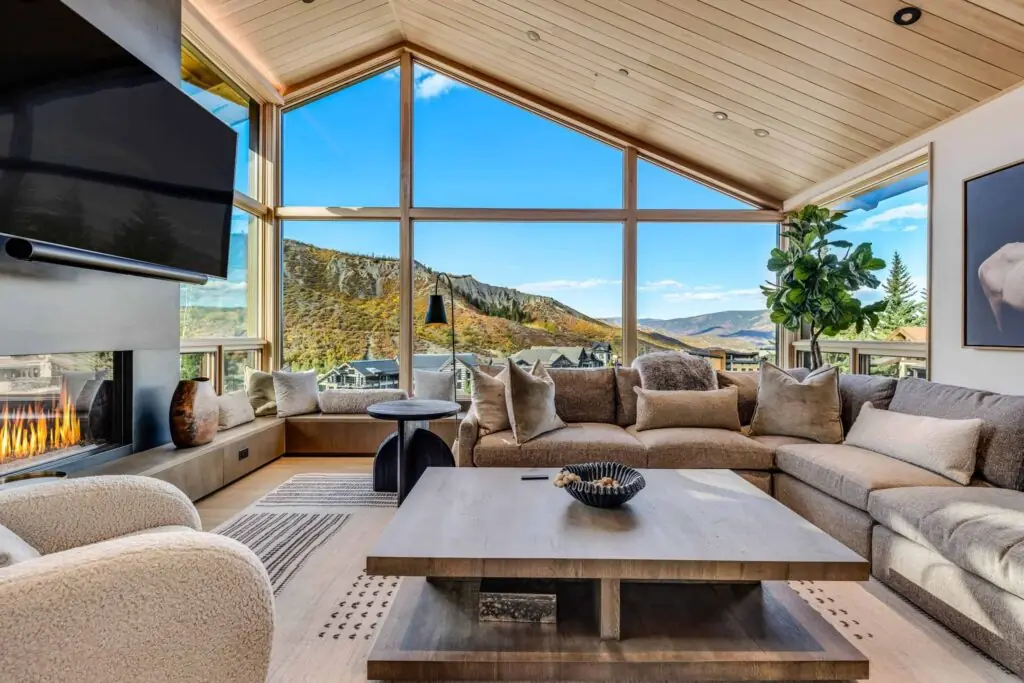
When asset managers and economic geographers evaluate luxury lifestyle destinations usa, the primary task involves separating public marketing claims from socio-economic and structural realities. A widespread misunderstanding assumes that any affluent suburb or resort town advertised with high-end retail options automatically qualifies as an elite lifestyle enclave. In reality, many regions lacking institutional private wealth infrastructure suffer from traffic congestion, public privacy breaches, and volatile real estate taxation standards.
Furthermore, analyzing premier regional enclaves across North America requires distinguishing between superficial aesthetic styling and functional infrastructural architecture. A mountainside community featuring modernist glass homes provides minimal restorative value if the municipality lacks reliable water rights, private aviation facilities, or emergency medical evacuation infrastructure. Conversely, a true elite enclave utilizes dedicated private airfields, encrypted telecommunication grids, and integrated community security teams that operate completely independent of municipal constraints.
In addition, assessing these regions requires understanding how local zoning laws and private homeowners associations handle security and resident privacy. Managing an elite lifestyle hub requires isolating residential enclaves from external commercial traffic and public tourist corridors. When a region executes strict spatial planning—ensuring that private entries, security monitoring posts, and residential zones remain logically zoned—it creates a secure environment where high-net-worth individuals can conduct confidential business and personal life.
Deep Contextual Background
The evolution of elite domestic lifestyle enclaves across the United States reflects a multi-decade shift toward professionally managed, ultra-exclusive residential concentrations. In the mid-twentieth century, elite residency was largely restricted to historic enclaves in Palm Beach, Newport, or Beverly Hills developed informally around aristocratic social networks. These historic regions operated with minimal standardized municipal planning, relying instead on traditional local governance and static architectural covenants.
However, the late twentieth and early twenty-first centuries brought rapid domestic wealth expansion, coast-to-coast migration, and the rise of master-planned private communities. High-net-worth individuals began demanding the privacy and security of gated residential compounds combined with the rigorous service standards, private club amenities, and wellness infrastructure of a luxury resort. Property developers and municipal planners responded by constructing purpose-built enclaves featuring private golf courses, equestrian centers, superyacht marinas, and integrated smart-grid automation systems.
In the contemporary landscape, the market for luxury lifestyle destinations usa has matured into an institutionalized asset class. Modern regional portfolios combine sustainable architectural zoning, medical-grade air and water purification districts, secure perimeter surveillance, and private club management by leading hospitality corporations. By integrating residential privacy with professional municipal-grade operations, premier domestic enclaves allow residents to experience complete seclusion backed by reliable legal, medical, and logistical support.
Conceptual Frameworks and Mental Models
Navigating the evaluation and selection of elite residential regions across the United States requires structured analytical models that account for spatial isolation, infrastructural resilience, and service integration.
The Regional Privacy and Sovereignty Index
This framework evaluates a destination’s physical privacy and socio-political stability by assessing boundary zoning acreage, distance from major metropolitan traffic arteries, and municipal policing independence to guarantee personal safety and minimal public intrusion.
The Infrastructural Resilience Matrix
This model evaluates how effectively a destination manages vital support systems across three functional layers:
-
Utility Redundancy Layer: Microgrid power generation, desalinization or deep-well water reserves, and fiber-optic communication rings.
-
Logistical Transport Layer: Private airfields capable of handling long-range executive jets, deep-water yacht slips, and controlled highway access points.
-
Wellness and Security Layer: Trauma-certified local medical facilities, private fire suppression teams, and biometric perimeter surveillance networks.
Key Categories and Variations
When individuals evaluate and compare luxury lifestyle destinations usa across diverse regional topographies, locations fall into distinct geographical, architectural, and operational categories. Industry analysts group these flagship enclaves into six primary variations.
Alpine Ski and Mountain Sanctuaries
Sprawling master-planned valley enclaves situated across the Rocky Mountains and Wasatch Range, featuring private ski-in/ski-out clubs, equestrian ranches, and high-altitude aviation facilities.
-
Trade-Offs: This choice delivers crisp alpine air, winter sports integration, and dramatic mountain scenery. However, it requires navigating high altitude physiological adjustments and severe winter weather transport logistics.
Coastal Blufftop and Peninsula Enclaves
Exclusive Pacific and Atlantic coastal strips featuring private beach clubs, deep-water yacht slips, and modernist residential architecture perched above marine preserves.
-
Trade-Offs: This option offers low ambient humidity, dramatic ocean panoramas, and maritime recreation. Conversely, it faces coastal erosion pressures, marine-layer fog, and strict environmental building codes.
Subtropical Island and Cay Compounds
Master-planned island enclaves located across South Florida and the Florida Keys featuring private causeways, deep-water marine infrastructure, and tropical landscaping.
-
Trade-Offs: This category provides warm year-round waters, boating culture, and favorable state tax structures. On the downside, it requires robust hurricane mitigation engineering and summer humidity management.
Desert Oasis and Mesa Communities
Horizontal residential compounds engineered into arid desert floors and rocky plateau formations across the Southwest, featuring championship golf courses and wellness retreats.
-
Trade-Offs: This model delivers striking geological views, seamless indoor-outdoor desert living, and winter warmth. Nevertheless, it requires intensive water management and summer heat mitigation.
Historic Equestrian and Vineyard Estates
Pastoral enclaves nestled within rolling agricultural valleys and wine-producing regions, featuring sprawling acreage, private vineyards, and equestrian facilities.
-
Trade-Offs: This style features rich agrarian heritage, immense land parcels, and supreme privacy. However, it operates under rural transport constraints and active agricultural maintenance requirements.
Urban Penthouse and Cultural Enclaves
Vertical luxury districts integrated into landmark metropolitan towers, featuring private elevator access, rooftop amenities, and immediate proximity to financial and cultural capitals.
-
Trade-Offs: This arrangement secures central financial district positioning and cultural access. However, it relies on shared metropolitan governance and urban acoustic management.
Domestic Lifestyle Destination Category Comparison Matrix
Detailed Real-World Scenarios
Analyzing real-world scenarios demonstrates how regional selection, infrastructural resilience, and community planning impact high-stakes domestic lifestyle transitions.
Establishing a Family Office Headquarters in Aspen
A multi-generational family office required a secure alpine destination in the Rocky Mountains to establish a permanent western headquarters and family retreat.
-
Constraints: Requirement for year-round private jet access; secure corporate meeting facilities; robust high-speed fiber-optic data transmission infrastructure.
-
Decision Points: When wealth managers evaluate luxury lifestyle destinations usa for corporate family offices, the committee weighed traditional urban financial centers against master-planned alpine enclaves.
-
Failure Modes Identified: Standard resort towns lack secure data infrastructure and experience severe commercial tourist congestion during peak holiday seasons.
-
Second-Order Effects: Selecting a master-planned enclave with a private jet facility and dedicated business zoning allowed the family office to operate securely without public exposure.
-
Resolution: The headquarters established seamless operations with zero communication downtime, proving the value of master-planned alpine infrastructure.
Managing Seasonal Relocation to a Coastal Blufftop Enclave
A retired executive family planned a seasonal transition from an urban center to a coastal blufftop enclave in Southern California.
-
Constraints: Need for private medical concierge integration; stringent architectural remodeling covenants; secure vehicle transport logistics.
-
Decision Points: The estate management team established direct relationships with local private medical networks and reviewed homeowners association architectural guidelines before purchasing.
-
Failure Modes Identified: Strict coastal commission zoning rules often delay home renovation approvals by several years.
-
Second-Order Effects: Because the architectural covenants were audited prior to closing, the family secured pre-approved renovation permits without regulatory friction.
-
Resolution: The seasonal relocation proceeded smoothly, highlighting the necessity of rigorous regulatory due diligence when evaluating premier domestic regions.
Planning, Cost, and Resource Dynamics
Optimizing the selection and acquisition of elite domestic lifestyle properties requires balancing direct real estate capital outlays against recurring municipal taxes, private club dues, and maintenance fees.
Direct Versus Indirect Regional Expenses
-
Direct Costs: Residential real estate acquisition tariffs, local property and state taxes, private club equity memberships, and homeowners association dues.
-
Indirect Costs: Private aviation hangar fees, specialized estate staffing payroll, comprehensive property insurance premiums in hazard zones, and private security retainers.
Financial Planning Matrix for Domestic Lifestyle Destinations
Tools, Strategies, and Support Systems
Executing successful lifestyle relocations and property acquisitions across premier domestic enclaves relies on specialized digital mapping tools, private aviation networks, and advisory partnerships.
-
Private Aviation and Airfield Mapping Networks: Assessing regional jet airport runway lengths, instrument landing systems, and hangar availability for executive transport.
-
Comprehensive Tax and Jurisdictional Advisory Firms: Engaging specialized legal counsel to analyze state income tax, estate tax, and property tax structures across domestic markets.
-
Environmental Risk and Hazard Modeling Platforms: Utilizing advanced geographic information systems to evaluate wildfire, flood, and seismic risks prior to property acquisition.
-
Master-Planned Community Zoning and Covenant Audits: Reviewing homeowners association restrictions, architectural guidelines, and short-term rental prohibitions.
-
Private Medical Concierge and Emergency Networks: Establishing direct affiliations with regional trauma hospitals and private air-ambulance transport providers.
-
Encrypted Municipal Telecommunication Verifications: Confirming dedicated fiber-optic backbone availability and redundant cellular coverage across private residential parcels.
Risk Landscape and Failure Modes
Failing to properly vet regional infrastructure, environmental exposure, and local governance introduces severe financial and operational risks during domestic lifestyle transitions.
Environmental Vulnerability and Climate Exposure
Purchasing luxury residential assets in regions highly susceptible to unmitigated wildfires, coastal storm surges, or severe water scarcity without adequate engineering defenses.
Opaque Municipal Governance and HOA Overreach
Investing in master-planned enclaves governed by restrictive homeowners associations that impose arbitrary architectural rules or mismanage community reserve funds.
Infrastructure Bottlenecks and Seasonal Isolation
Relocating to remote mountain or island enclaves that experience severe highway closures or airport shutdowns during regional weather emergencies.
Governance, Maintenance, and Long-Term Adaptation
Sustaining lifestyle quality and asset value across premier domestic regions requires continuous municipal oversight, environmental monitoring, and infrastructural adaptation.
-
Annual Municipal Infrastructure Audit: Review local government spending on road maintenance, emergency services, and water grid upgrades.
-
Quarterly Environmental Risk Assessment: Evaluate local wildfire defensible space compliance, coastal erosion mitigation barriers, and storm drainage systems.
-
Layered Regional Governance Checklist:
-
Verify that local emergency medical facilities maintain trauma-certified status.
-
Confirm that community water districts possess secure, long-term multi-source reserves.
-
Inspect municipal evacuation routes and emergency bridge access points.
-
Audit local zoning board minutes for proposed commercial or high-density developments.
-
Measurement, Tracking, and Evaluation
Assessing the success and long-term viability of a domestic lifestyle destination investment involves monitoring quantitative economic indicators and qualitative lifestyle signals.
Key Performance Indicators
-
Real Estate Capital Appreciation Ratio: The multi-year percentage growth in property value relative to broader national real estate indices.
-
Infrastructural Uptime Percentage: The annual operational availability of municipal power grids, high-speed data networks, and regional airfields (Target: > 99%).
-
Security and Privacy Incident Rate: The frequency of unauthorized perimeter breaches, public intrusions, or local crime events within the residential enclave (Target: Zero).
Common Misconceptions and Oversimplifications
Affluent Suburbs Automatically Qualify as Elite Lifestyle Enclaves
Many wealthy suburbs lack private aviation facilities, security integration, and specialized medical infrastructure required by ultra-high-net-worth individuals.
State Tax Advantages Outweigh Infrastructure Deficits
Relocating solely for favorable state income tax rates without evaluating local climate risks, water scarcity, or insurance availability can lead to severe financial losses.
Master-Planned Communities Eliminate All Municipal Risks
While private enclaves offer high architectural uniformity, they often impose rigid homeowners association covenants that limit property customization and usage rights.
Regional Weather Patterns Remain Static Over Long Holding Periods
Historical climate data is increasingly insufficient for evaluating coastal and alpine real estate risks without factoring in modern environmental modeling.
Ethical, Practical, or Contextual Considerations
Operating and investing in premier domestic lifestyle enclaves carries significant socio-economic and environmental responsibilities. Municipal planners, estate developers, and affluent residents must balance private wealth accumulation with regional resource stewardship, workforce housing availability, and ecological preservation. Sustainable regional practices—such as implementing strict water conservation mandates, supporting local municipal infrastructure funds, preserving open-space greenbelts, and providing fair wages for regional service workforces—ensure that elite enclaves harmonize with their broader state economies. Respecting local ecological limits and community integration transforms luxury residency into a sustainable, highly responsible practice of modern wealth management.
Conclusion
Evaluating luxury lifestyle destinations usa requires an analytical approach that connects macroeconomic tax strategy, infrastructural resilience, environmental risk modeling, and municipal governance. Relying solely on promotional resort imagery or superficial wealth rankings exposes individuals to severe regulatory, environmental, and financial vulnerabilities. Conversely, by evaluating regional sovereignty indices, auditing utility redundancies, leveraging accredited legal advisory networks, and verifying private aviation capacities, private wealth leads and families ensure complete operational control and enduring lifestyle quality. Ultimately, thorough regional due diligence and disciplined asset planning transform domestic relocation into a secure, seamless, and deeply restorative endeavor.